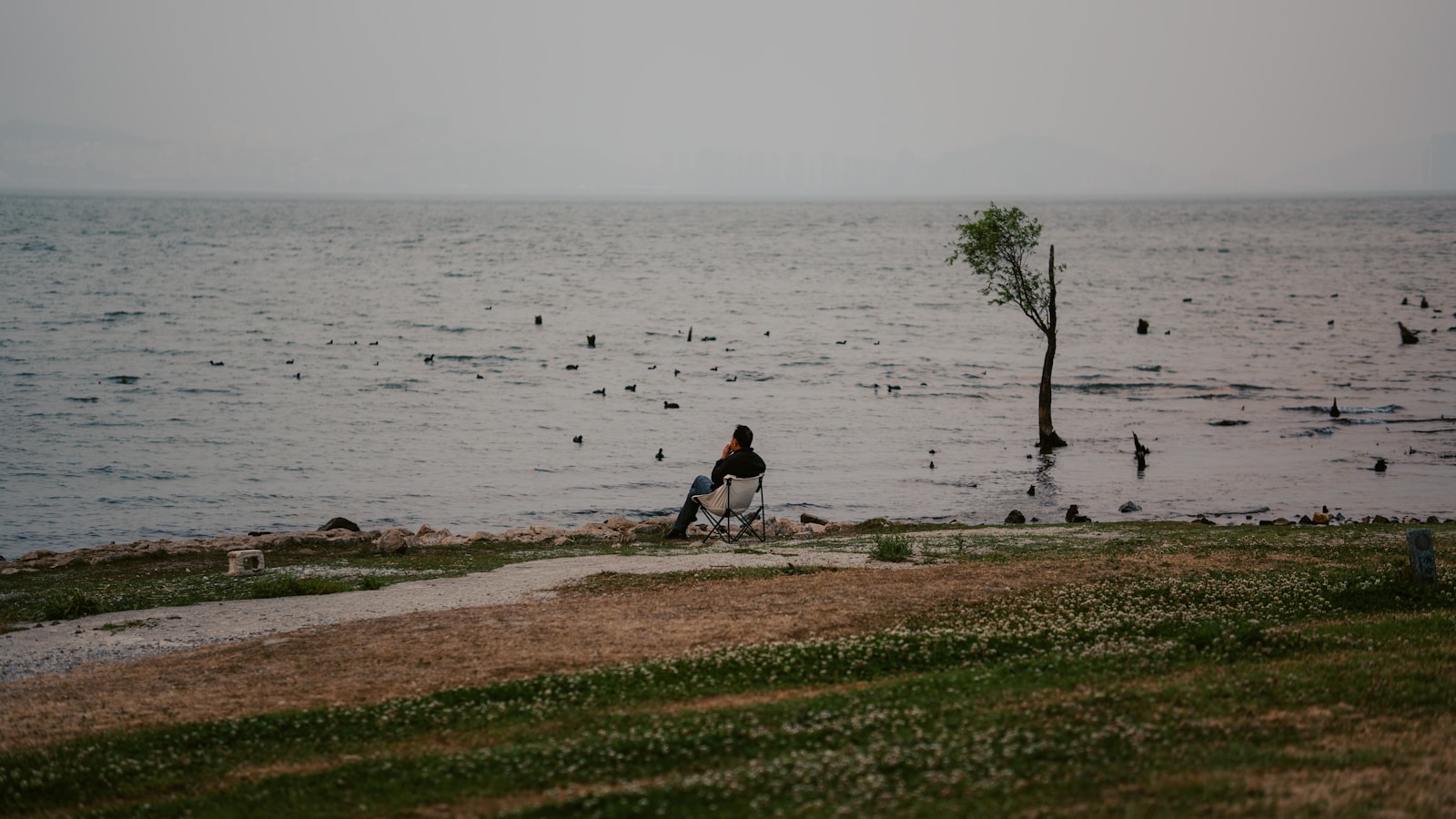
🧭 TL;DR — the honest bottom line
Here's the thing about Dali: it's the place people come to for two days and leave from after two weeks. A 1,300-year-old walled town built by the Bai minority, a 250-square-kilometre highland lake you cycle around on a flat, car-free path, a 4,000-metre wall of mountains with a 22-km cloud-walk along its spine, and a pace of life so unbothered it's basically a personality. This is where China comes to exhale — backpackers, artists, tea-drinkers and burned-out Shanghai tech workers all wash up here and find a reason to stay. Give it 3–4 days (more if you fall for it, and you might).
Two things to sort before you fly: an eSIM (so Google Maps and WhatsApp work the second you land) and a card bound to Alipay (so you can pay for a ¥7 bus or a lakeside guesthouse with your phone). Do those two at home and everything below is just the good part.
No time to read all of this? Tell us your dates and we'll build your Dali plan for you — on WhatsApp, real humans. (One message, no obligation.)
Message us →📌 This guide is long because it's complete — use the menu to jump. Everything below is named, priced, and verified June 2026; we flag anything that drifts so you can double-check the load-bearing details.
Before You Go
🛂 Do You Need a Visa for Dali? — Visa-Free Entry Explained
Here's the headline most travel sites bury: China spent the last two years quietly becoming one of the easiest big countries in Asia to walk into, and Yunnan — Dali's province — is squarely inside the new rules. Two routes cover almost everyone reading this, and which one you use comes down to one thing: what colour your passport is.
| Route | Who it's for | Max stay | The catch |
|---|---|---|---|
| 30-day visa-free | 50 countries — most of Europe, Australia, NZ, Japan, Korea, and UK + Canada (added 17 Feb 2026); Singapore, Thailand & Malaysia get 30 days via mutual exemption | 30 days | Ordinary passport valid for your whole stay (airlines often ask for 6 months). Tourism/business/visiting friends — no onward-ticket rule. |
| 240-hour (10-day) transit | 57 countries incl. the USA, Brazil, Mexico, Indonesia | 10 days | You must hold an onward ticket to a third country/region and enter via an approved port. |
✓ verified Oct 2026 Lists shift often — reconfirm your nationality on the official site before booking.
🇺🇸 Americans + the Yunnan twist — read this carefully, it trips people up
US citizens are not on the 30-day visa-free list, but they are on the 240-hour visa-free transit list. To use it, you must meet the policy's conditions, including entry through an approved port and a confirmed onward ticket to a third country or region different from your departure country or region. Here's the part specific to Dali: the 240-hour window covers nine Yunnan cities, including Dali itself. So you can land in Kunming, ride the bullet train to Dali, loop up to Lijiang, and fly onward, all inside the 10 days, as long as you meet those conditions.
The catch that's unique to Yunnan: Dali is not its own entry port. You enter China at any approved 240-hour port — in Yunnan that's Kunming Changshui Airport (KMG), Lijiang Sanyi Airport (LJG) or the Mohan railway port (the Laos border crossing), but a hub elsewhere such as Chengdu, Guangzhou or Shanghai also works, because the 240-hour rule lets you move between the permitted areas of the 24 provinces — then travel on to Dali. Dali's own airport (DLU) is a domestic airport and not a 240h entry point. The word that makes it all work is transit: China has to believe you're passing through to a third country/region, so you need an onward flight booked out of mainland China before you land. Easy third stops from Kunming: Bangkok, Chiang Mai, Hanoi, Vientiane, Seoul. The official notices say only "a third country or region", and none of the official pages we read names Hong Kong or Macao either way; reading them as qualifying is an inference, not an official rule. If your plan depends on it, confirm with your airline or the National Immigration Administration's 24-hour hotline, +86 12367 (English available), before you book.
Two things that quietly sink people
① The 240 hours don't start when you land — they start at 00:00 the next day (GMT+8), so your arrival day is a freebie. ② "Third country" means different from where you came from — a US→Kunming→back-to-US ticket does not qualify; you must exit to somewhere else.
Policy and country lists shift — always reconfirm your nationality on the official en.nia.gov.cn before you book the flight.
🗓️ Best Time to Visit Dali: Weather, Wind & That Highland Sun
Aim for late March to May, or September to November — full stop. Dali sits at 1,900 m on a subtropical-highland plateau, which means mild temperatures all year (annual average 10–22°C) but two things that genuinely shape your trip: rain in summer and wind in winter.
| Season | Months | Temp | The real story |
|---|---|---|---|
| 🌸 Spring (best) | Mar–May | 15–22°C | Dry, clear, flowers out, lake at its bluest. The sweet spot — book ahead. |
| ☀️ Summer | Jun–Aug | 18–25°C | The rainy season. Lush and green, afternoon downpours (Jul–Aug can top 200 mm/month). Mornings often clear — ride early. |
| 🍁 Autumn (best) | Sep–Nov | 13–22°C | The other golden window — azure skies, crisp air, warm days, cool nights. Peak photography season. |
| 🌬️ Winter | Dec–Feb | 6–18°C | Sunny and dry by day but this is the windy season — Dali's nickname is literally "the Wind City," and Dec–Feb regularly see gale-force gusts off the lake. Warm in the sun, cold at night. |
The thing nobody warns you about: the UV
At 1,900 m the sun is fierce — Dali's UV index hits 9 ("very high") in spring and can spike to 11 ("extreme") in early summer. You will burn in 15 minutes even when it feels mild and breezy. Pack real sunscreen (SPF 50), a hat and sunglasses — locals cycle the lake fully covered for a reason.
Avoid the big Chinese public holidays if you can — Labour Day (early May), National Day / Golden Week (1–7 Oct), and Spring Festival (late Jan/Feb) turn the Old Town and the Erhai cycle path into a slow-moving river of domestic tourists. The shoulder weeks on either side are bliss.
✈️ How to Get to Dali: High-Speed Rail, Airport & the Kunming Gateway
Almost everyone arrives in Dali one of two ways: a 2-hour bullet train from Kunming, or a short flight into Dali's own small airport. The train is the move 90% of the time.
🚄 By high-speed rail (the default)
Dali is plugged into Yunnan's bullet-train network, and it's cheap and frequent. You'll arrive at Dali Railway Station, on the south edge of the city near Xiaguan (the modern downtown), about 11 km / 30–40 min from the Old Town.
| From | Time (high-speed) | 2nd-class fare | Frequency |
|---|---|---|---|
| Kunming South | ~2h (fastest 1h48) | ¥109–155 | 20+ D-trains/day, ~06:30–21:30 |
| Lijiang | ~2–3h | ¥72–144 | ~8 trains/day |
✓ verified Jun 2026. Book on the official 12306 website (English version) or Trip.com (smoother for non-Chinese passports). Book 1–2 days ahead in peak season — popular departures sell out. Your passport is your ticket — tap it at the foreigner gate.
✈️ By air — Dali Airport (DLU)
Dali Fengyi Airport (DLU) handles domestic flights only — useful direct hops from Chengdu, Chongqing, Guangzhou, Xi'an, Shanghai and Beijing if you'd rather skip Kunming. It's ~13 km southeast of the Old Town; a taxi to the Old Town runs ¥60–70, ~40 min, or an airport shuttle bus to the Old Town South Gate is ¥25/person. Remember: DLU is not a 240h visa-free entry port — if you're on the transit scheme, enter China at an approved port first (Kunming, Lijiang, or a hub such as Chengdu, Guangzhou or Shanghai), then take one of these domestic hops in.
A bullet train across Yunnan costs less than a taxi to the airport back home
Kunming → Dali, under two hours at 250 km/h, is ¥109–155 second class — roughly US$15–22. Dali → Lijiang tops out around ¥144. China's high-speed rail is the single cheapest "wow" you'll buy on this trip, and it turns the whole Kunming–Dali–Lijiang corridor into one easy string of stops.
More on this: China Essentials — getting around (rail, metro, Didi) →💴 Dali Travel Budget: What It Costs (per day, excluding flights)
Dali is cheaper than most of China, and China is already cheap. Because so much here is free or near-free — walking the Old Town, cycling the lake path, sitting in a teahouse — your daily spend drops fast. Rough daily budgets:
| Style | Per day (ex-flights) | What that buys you |
|---|---|---|
| 🎒 Backpacker | ¥180–300 (~$25–42) | Old-Town hostel dorm, Bai street food + noodle shops, public buses, a shared bike |
| 💺 Mid-range (most people) | ¥300–650 (~$42–91) | Comfortable guesthouse or lakeview inn, sit-down Bai restaurants, e-bike rental, cable car + a couple of paid sights |
| ✨ Comfort | ¥800+ (~$112+) | Boutique courtyard or designer lake villa in Shuanglang, private driver, the good seats on the Erhai cruise, a tie-dye workshop |
The biggest budget lever here isn't your hotel — it's how much you DIY. Cycle the lake instead of hiring a car, eat where the Bai grandmothers eat, and you'll live beautifully deep in the mid-range. (~¥7.1 = $1 as of Jun 2026; rates drift.)
Sources — Part 1 (verified June 2026)
Visa & 240h transit: en.nia.gov.cn (National Immigration Administration — unilateral visa-exemption list updated 17 Feb 2026, valid through 31 Dec 2026 for most countries; 240-hour transit policy (NIA, 20 Aug 2026), 57 nationalities, 65 ports / 24 regions, 9 Yunnan cities incl. Dali covered, entry at any of the 65 approved ports (in Yunnan: Kunming KMG / Lijiang LJG / Mohan port), cross-province travel within permitted areas); cross-checked windhorsetour.com & chinadiscovery.com 2026 guides.
High-speed rail & airport: chinadiscovery.com, travelchinaguide.com, chinahighlights.com (Kunming↔Dali fastest 1h48 / ¥109–155; Dali↔Lijiang ¥72–144; DLU airport ~13 km, taxi ¥60–70, shuttle ¥25).
Climate & UV: chinahighlights.com, travelchinaguide.com, qweather.com Dali (highland climate 10–22°C; rainy Jun–Sep; windy Dec–Feb; UV 9–11 spring/summer).
Arrival & Essentials
The three things that turn China from "intimidating" into "effortless." Do the first two before you fly — fifteen minutes at home saves you a stressful first hour.
📱 Internet & VPN in China: Get an eSIM before you fly
Let's be blunt about the thing everyone whispers about: mainland China blocks Google, Instagram, WhatsApp, Gmail, and most Western apps. Your normal SIM will roam onto a Chinese network and hit that same wall — which matters more in Dali than most places, because you'll live on Google Maps and WhatsApp out on the lake path and in the villages.
The clean, legal, no-drama fix: an international travel eSIM that routes your data through a server outside the mainland — so Maps, WhatsApp, Instagram, all of it just works, with no separate VPN to fiddle with. You install it as a second line; your home number stays for calls and texts.
| eSIM | Best for | VPN? | The honest take |
|---|---|---|---|
| Nomad | Multi-city + bullet train | No | The most stable when you're moving — survives the Kunming–Dali tunnels and city-hopping. Top pick for a Yunnan loop. |
| Airalo | One or two stops, budget | No | The most popular, cheapest, dead-simple. Plenty for a Dali-based trip. |
| Holafly | Heavy data users | No | Unlimited data plans + 24/7 support. Great if you stream or hotspot — check the fair-use cap. |
| Saily | Privacy-minded | No | By the NordVPN team, strong privacy. Solid for fixed-data plans. |
How it actually goes: buy online → you get a QR code by email → scan it to install (2 min) → leave it off until you land → flip it on as the plane taxis in, and you're online before baggage claim. Only needs an email — no Chinese ID, no registration. Buy it at home on your own Wi-Fi; do not count on installing it after you land, because the activation pages can themselves be behind the wall.
One phone really does replace everything
Wallet, keys, bus ticket, translator, bike unlock, guesthouse check-in, dinner orders, the Erhai cruise booking — all collapse into one phone the moment you're set up. Most people here pay by phone, though cash is still legal tender; the Bai grandmother selling rushan by the Old Town gate takes Alipay. Get your eSIM + Alipay sorted and you operate exactly like a Dali local by day two.
More on this: China Essentials — paying with Alipay & WeChat →💳 How to Pay in China: Alipay & WeChat for Foreigners
Most people pay by phone, but cash is still legal tender: since 1 February 2026, staffed businesses must accept it. Keep some small notes as a backup (is cash accepted in China?). Don't count on foreign cards at small shops; bigger hotels, malls and major sights are more likely to take them. The great news for 2026: Alipay and WeChat Pay both take a foreign Visa/Mastercard directly, no Chinese bank account needed. Do this at home before you fly — identity verification is smoother on your home connection, and you want it working the second you land.
Set up Alipay (your main wallet)
- Download Alipay from your app store and register with your home mobile number (you'll get an SMS code).
- Open "Cards" → "Add Bank Card" and enter a real Visa or Mastercard. ⚠️ Use a normal physical credit/debit card — prepaid and virtual/online-only cards are frequently rejected. This is the #1 reason setup fails.
- Complete passport verification (photo of passport + a quick selfie). Approval is usually minutes.
- Add a backup: download WeChat Pay and bind a second physical card the same way — handy if one card ever gets declined out in a village with no ATM.
The limits & fees you need to know ✓ verified Jun 2026
| Figure | |
|---|---|
| Payments under ¥200 | Fee-free (0%) |
| Payments over ¥200 | ~3% service fee |
Alipay and WeChat Pay set spending limits for foreign cards — see Essentials. Check your current limit in the app.
The practical read: the under-¥200 fee-free rule covers nearly everything you'll buy in Dali — bus fares, noodle bowls, bike rentals, snacks, museum tickets. The ~3% only bites on bigger hits like a hotel night or the cable car. Still, carry some cash and a second physical card as a fallback — out in Shaxi or a small Bai village, a card can occasionally get declined.
🚕 Getting Around Dali: Buses, Didi, Bikes & E-Bikes
First, a map fix that saves everyone confusion: "Dali" is really two places. Xiaguan (下关) is the modern downtown where the train station and most buses hub; Dali Old Town (大理古城) is the historic walled town 11 km north, where you'll actually want to stay and wander. When a local says "Dali," they usually mean the Old Town.
From the station / airport into the Old Town
| From | Option | Time | Cost | When to pick it |
|---|---|---|---|---|
| Dali Railway Station | Bus 8 → Old Town | ~40 min | ¥2–4 | Default, cheap. Runs frequently. |
| Dali Railway Station | Didi / taxi to your guesthouse | ~30 min | ¥30–50 | Heavy bags, late arrival, or staying lakeside. |
| Dali Airport (DLU) | Airport shuttle → Old Town South Gate | ~40 min | ¥25 | No bags drama, budget. |
| Dali Airport (DLU) | Didi / taxi to the Old Town | ~40 min | ¥60–70 | Door-to-door ease. |
Getting around once you're here
- Public buses are the backbone and absurdly cheap (¥2–7). Key lines: Bus 8 links Xiaguan ↔ Old Town ↔ up toward Xizhou; the C2 / "Erhai loop" buses run up the east shore to Shuanglang (¥15, ~1.5 hr). Pay by scanning Alipay's bus QR or with coins.
- Didi (China's Uber) works across the whole Dali area — full English app, takes foreign Visa/Mastercard, register with your home phone number. It fills every gap the buses miss, especially at night or out to a lakeside inn. Most cross-town rides are ¥15–40.
- Bikes & e-bikes are the way to do Erhai (see Part 3). Rentals are everywhere — bicycles ¥20–50/day, e-bikes/scooters ¥50–80/day, and many guesthouses lend them cheap. Note: on the Erhai Ecological Corridor you must rent from stations at the corridor (your own bike isn't allowed on it) and return it at designated points.
"Wait — China is THIS safe?"
You are 2×+ more likely to be robbed in San Francisco or Chicago than in a major Chinese city. Dali is one of the most laid-back, low-crime places in the country — solo travellers cycle empty stretches of lakeside at dusk, women walk home alone through the Old Town after midnight, and with dense CCTV, opportunistic street crime barely exists. The only real hazards here are the highland sun and, in winter, the wind.
Sources — Part 2 (verified June 2026)
eSIM: unusualnomad.com, traveltomtom.net, cybernews.com (China eSIM tests 2026 — Nomad most stable, Airalo cheapest, all route offshore / no separate VPN).
Alipay limits & fees: realchinatrip.com, trip.com, ltl-school.com (<¥200 fee-free · ~3% above; prepaid/virtual cards often rejected; confirm limits in-app).
Local transport: travelchinaguide.com, topchinatravel.com, chinadiscovery.com (Bus 8 station↔Old Town ¥2–4; airport shuttle ¥25 / taxi ¥60–70; C2 to Shuanglang ¥15/~1.5 hr; bike ¥20–50, e-bike ¥50–80/day; corridor bikes rented on-site only).
Things to Do in Dali
Cycling a mirror-flat lake at sunrise, a cloud-walk 2,600 m up a sacred mountain, three thousand-year-old pagodas, indigo-dyeing your own scarf in a Bai courtyard, sour-fish stew you'll think about for weeks. Everything below is named, priced, and verified June 2026 — walk in and do it, no second tab needed.
🚲 Erhai Lake (洱海): Cycling the Ring Road — the soul of Dali
This is the reason to come to Dali, and the best ¥30 you'll spend in China. Erhai is a vast highland lake — 250 km², 40 km long — ringed by Bai fishing villages, wetlands, and the great wall of Cangshan behind it. The whole 129-km shoreline has a cycling loop, but the part everyone rides is the 46-km west-shore "Ecological Corridor" (生态廊道): flat, paved, completely car-free, and strung with the lake's prettiest stops. You don't need to be fit; you need a bike, a hat and an afternoon.
How to actually do it
- Pick your distance honestly. The full loop is a serious all-day ride (and the east shore has traffic). Most people do a half-day west-shore stretch — say Caicun → Panxi S-Bend → Xizhou (~20 km) — and bus or Didi back. That's the sweet spot.
- Rent at the corridor, not in town. Your own bike (or a town rental) isn't allowed on the Ecological Corridor — rent at a corridor station and drop it at a designated point. Bicycles ~¥20–50/day, e-bikes ~¥50–80/day; for the popular S-Bend stretch a basic bike (~¥20) is plenty, for reaching Xizhou an e-bike (~¥40) saves your legs.
- Go early. The light is best and the wind is calmest at dawn; by afternoon (especially winter) the lake breeze gets stiff. Bring sun cover — there's no shade out there.
- Don't-miss stops: the Panxi S-Bend — the single most-photographed curve on the lake, postcard-perfect at sunrise; Caicun (才村) wharf and wetlands; the wildflower-and-reed shoreline that changes colour every month.
The honest call on the boat vs the bike
There's also an official Erhai cruise (¥142) — a 3–4 hr boat with a Bai "Three-Course Tea" performance and a stop at Nanzhao Folk Island, departing the south of the lake. It's fine, but it's the tour-group version of Erhai. If you only do one thing on the lake, cycle the west shore — you control the pace, you stop where you want, and it's a fraction of the price. Take the cruise only if you can't cycle or specifically want the island + tea show.
The best thing to do in Dali is almost free
A bike on the Erhai corridor is ¥20–50 for the day. The Old Town: free. People-watching in a teahouse with a pot of Pu'er: a few yuan. Dali's whole reason for being — lake, mountains, slow Bai-village life — costs next to nothing. You could spend a perfect three days here and barely crack ¥150 a day beyond your room and dinner.
⛰️ Cangshan Mountain (苍山): Cable Cars, the Jade Belt Cloud Walk & Hiking
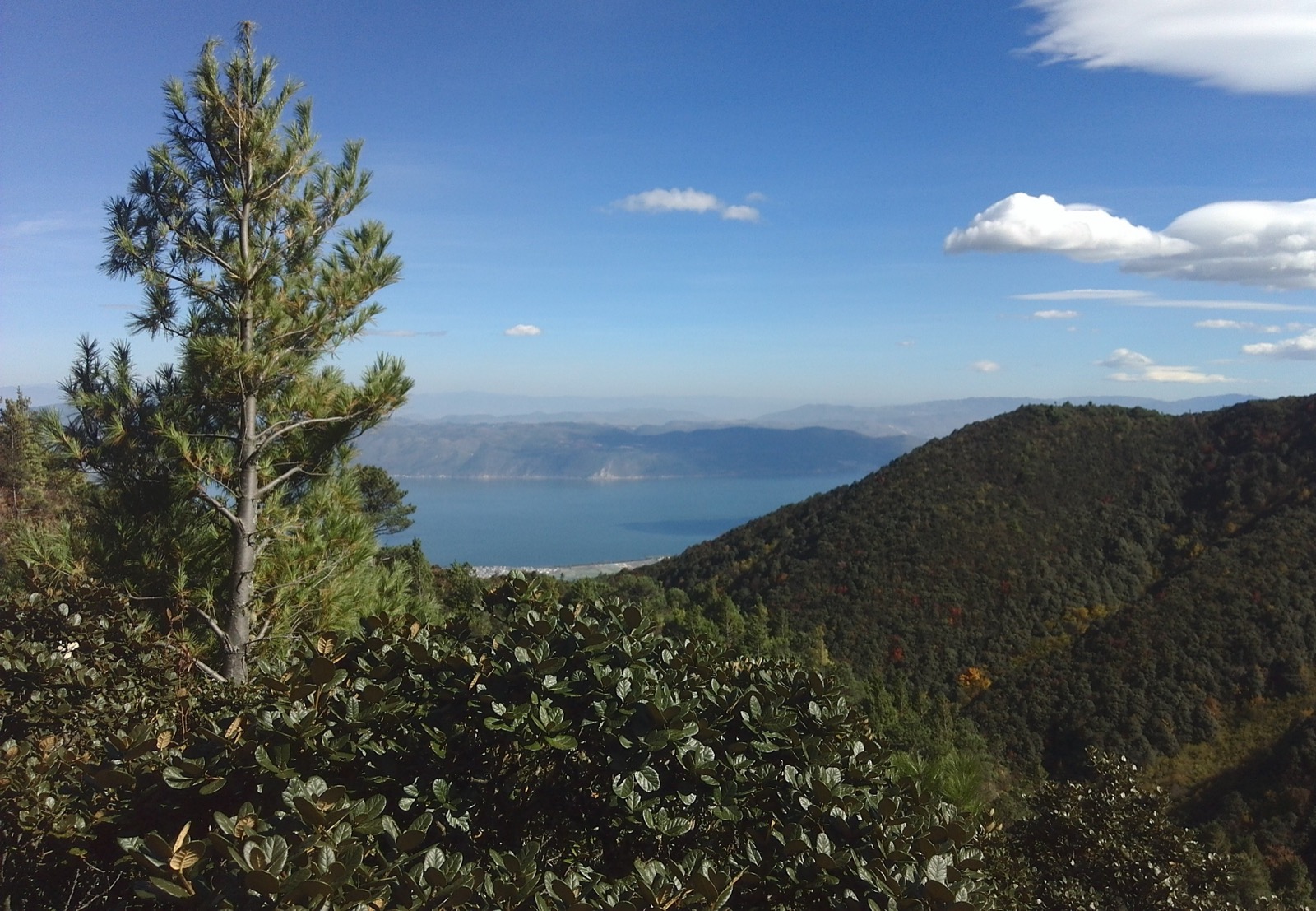
If Erhai is the soul of Dali, Cangshan is the spine. Nineteen peaks topping 4,000 m rise straight off the plateau west of the Old Town, often with cloud pouring over the ridgeline. The headline experience: ride a cable car up the flank, then walk the Jade Belt Road (玉带路 / Yùdài Lù) — a ~22-km near-level "cloud path" cut into the mountainside at ~2,600 m, with Erhai shimmering far below the whole way. You can walk as much or as little as you like and come down a different cableway.
The three cableways — pick by what you want
| Cableway | Reaches | Round-trip | Best for |
|---|---|---|---|
| Gantong (感通) | Gantong Temple area, ~2,630 m | ¥80–110 (incl. geopark) | Best value + best lake views. The easy, popular choice — drops you on the south end of the Jade Belt Road. |
| Zhonghe (中和) | Zhonghe Temple + Jade Belt Road, ~2,668 m | ~¥90 | The quiet one — least crowded, closest to the Old Town. |
| Ximatan (洗马潭) | Ximatan alpine lake, ~3,920 m | ~¥282–320 | The big one — goes highest, to an alpine pool near the summit ridge. Pricier; colder up top. |
✓ verified Jun 2026 — the three lines are run by different companies and ticketed separately (you can't transfer one ticket to another); standalone Cangshan geopark entry is ¥30 if you hike up rather than ride. Prices shift seasonally — confirm at the gate or on Trip.com.
The insider play
Take the Gantong or Zhonghe cableway up (cheaper, and they land you right on the Jade Belt Road), walk a stretch of the cloud path — even an hour out-and-back is glorious — and ride the same line back down. The Jade Belt Road is nearly flat, so it's a walk, not a climb. Go on a clear morning; by afternoon the cloud often swallows the view (atmospheric, but you lose the lake). Budget half a day. Serious hikers can skip the cable car and climb from the Old Town on foot — a full, hard day that needs an early start.
🏯 Dali Ancient Town (大理古城): Bai Old Town, City Walls & Foreigner Street
Free, open all day, and the place you'll keep drifting back to. Founded over 1,300 years ago as the heart of the Nanzhao and Dali kingdoms, the Old Town is a grid of grey-brick Bai houses, willow-lined streams running down the lanes, Ming-dynasty city walls and gate towers, teahouses, craft shops and cafés — all backed by Cangshan. It's touristy in the best stretches and dreamy in the quiet ones.
- Ticket: Free for independent travellers. Open 24h (shops ~09:00–22:00). (Organised tour groups pay a ¥30 protection fee; solo visitors don't.)
- Getting there: Bus 8 from the train station, or Didi. The South Gate (南门) is the classic entrance and photo spot.
- What to actually do: climb the South Gate tower for the rooftop-and-mountain view; wander Fuxing Road (the main spine) then escape into the side lanes where the streams and old courtyards are; browse Bai tie-dye and silver shops; settle into a teahouse for a pot of local Pu'er and do precisely nothing.
Foreigner Street & Renmin Road after dark
Foreigner Street (洋人街 / Yángrén Jiē) earned its name in the backpacker era and is still the Old Town's bar spine, joined by Renmin Road (人民路), which fills nightly with cafés, live-music bars, buskers and street-stall sellers. It's mellow, not a megaclub scene — think folk guitar, craft beer and chatting until late.
- Tang Dynasty Bar (唐朝酒吧) — the old institution on Foreigner Street, live music, the original Dali night out.
- Bad Monkey — long-running Western-run brewpub (Renmin Road area) with its own beers and a friendly crowd; the go-to expat hangout.
- Bird Bar and a dozen tiny live-music spots along Renmin Road — wander and follow the music.
- Prices: local beer ¥10–25, craft/import ¥30–50, cocktails ¥40–60. Didi home runs 24/7 if you've drifted out to a lakeside inn.
A night out in the Old Town costs less than one cocktail back home
Live folk music on Renmin Road, a ¥30 craft beer at Bad Monkey, a buskers-and-lanterns wander, and a ¥20 Didi back to your guesthouse at 1am — with zero worry walking home. Dali's nightlife is gentle and cheap, and it's one of the safest places in China to be out late. The "China is pricey / sketchy after dark" assumption is just wrong here.
🗼 Three Pagodas of Chongsheng Temple (崇圣寺三塔) — the postcard icon
The single image you've seen of Dali — three slim white pagodas against the mountains — is this. The tallest, Qianxun Pagoda, is ~69 m and over 1,150 years old (built in the 9th century under the Nanzhao kingdom); the two flanking pagodas lean ever-so-slightly inward. Behind them sprawls the reconstructed Chongsheng Temple complex climbing the Cangshan foothills. The money shot is the reflecting pool just north of the pagodas, where all three mirror perfectly on a still morning.
- Ticket: ¥121 (covers the pagodas + the whole temple complex). ✓ verified Jun 2026 — some resellers list lower combo prices; buy on Trip.com or at the gate.
- Hours: roughly 07:30–18:30 (longer in peak summer; last entry ~1 hr before close).
- Getting there: ~2 km north of the Old Town — Didi (¥10–15), a short e-bike ride, or the Three Pagodas bus line.
- Insider: the complex is big and uphill — there's an internal shuttle (small fee) if you don't want the climb. Come early for the mirror-pool reflection before the breeze ripples the water and the groups arrive. Many travellers happily shoot the pagodas from the free park/pool outside and skip the paid entry — your call on whether the temple climb is worth ¥121.
🏘️ Xizhou (喜洲) & Zhoucheng (周城): Bai Villages & Tie-Dye
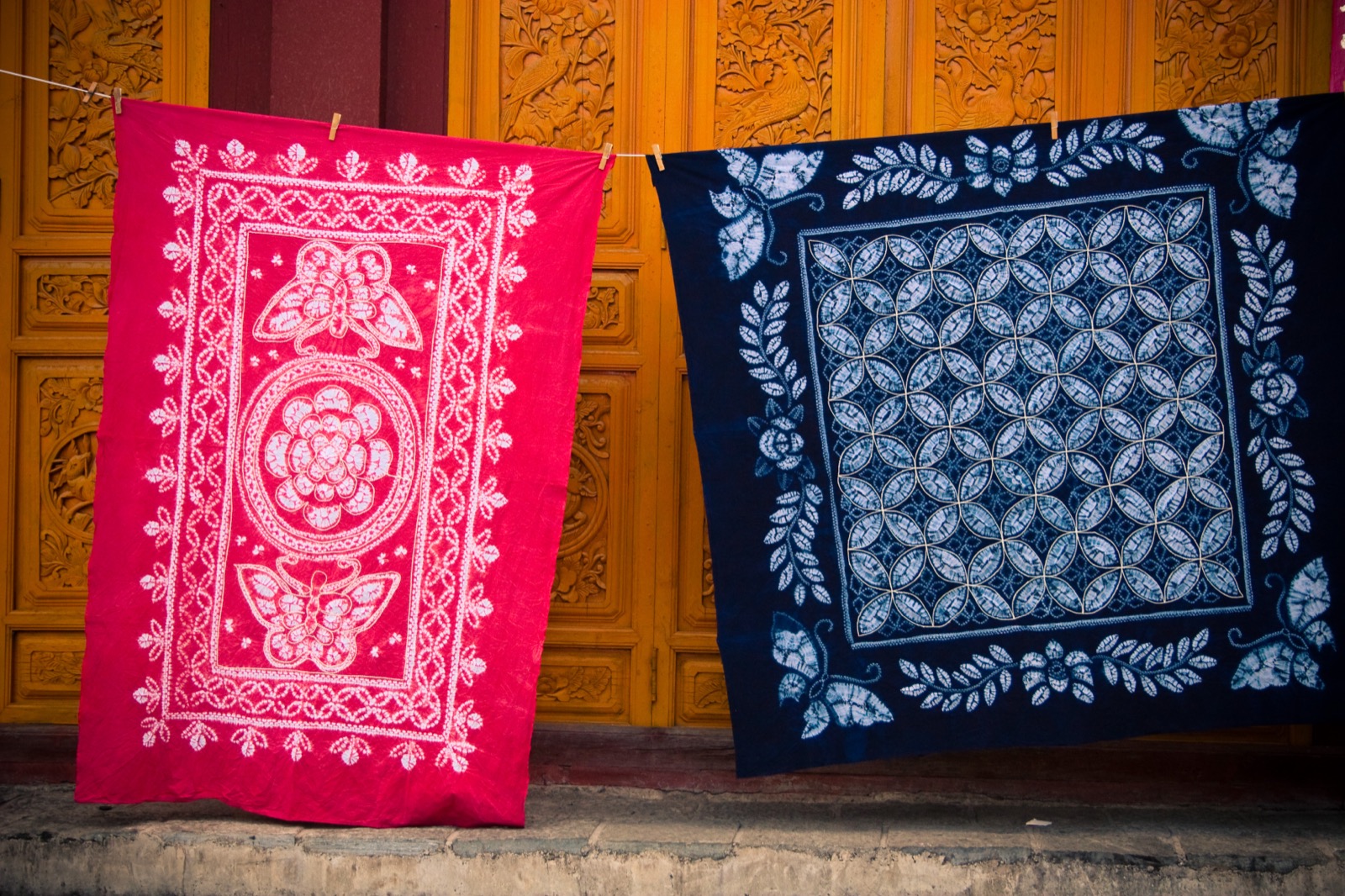
North up the lake, two villages give you the real Bai-culture day — and they're easy and cheap to reach.
Xizhou (喜洲) — Bai courtyards & the famous baba
A genuinely living Bai market town (not a rebuilt set), Xizhou is famous for its grand Ming-and-Qing courtyard mansions with carved "three-rooms-one-screen-wall" architecture, and for xǐzhōu bābā (喜洲粑粑) — a charcoal-baked layered flatbread, sweet (rose-jam) or savoury (pork-and-scallion), griddled crisp and eaten hot from the stall for a few yuan. The big draw nearby is Sifang Street and the wide-open rapeseed/rice fields behind town (gold in spring, a magnet for photographers).
- Getting there: bus from the Old Town ~¥7, ~40 min, or take the Three Pagodas line and transfer to bus C2; a taxi is ~¥80. Easy to fold into an Erhai cycle day (it sits on the west shore).
Zhoucheng (周城) — the home of Bai tie-dye
10 km further north, Zhoucheng is the "Hometown of Bai Tie-Dye" (扎染) — a UNESCO-recognised craft where nearly every household keeps an indigo vat. This is the place to dye your own scarf or handkerchief: you bind the cloth, dip it in fermented indigo, and unwrap your own pattern.
- Workshops & price: hands-on sessions run ~¥80–150 for a small piece (handkerchief/scarf), ¥150–300 for a large item (a dress or wall-hanging); a simple piece takes 1.5–2 hrs. Visit the Puzhen Bai Tie-Dye Museum or any family workshop in the village — prices are notably cheaper here than in the Old Town tourist shops.
- Getting there: same C2 / Three Pagodas-line bus that serves Xizhou, continuing north.
You can make a UNESCO craft with your own hands for ¥100
Bai indigo tie-dye is national intangible cultural heritage, and in Zhoucheng you don't just buy it — you make it: bind, dip, unwrap, and walk out with a scarf you designed for around ¥80–150. It's the rare souvenir that's genuinely yours, taught by the families who've done it for generations. Skip the mass-produced stuff in the Old Town and do the real thing at the source.
🍲 What to Eat in Dali: Bai Cuisine & Yunnan Food — a field guide
Dali food is Bai-minority cooking: sour, fresh, herbal, less about chilli-numbing fire than Sichuan and more about the original flavour of the ingredient. You'll eat extraordinarily well, and cheaply. The greatest hits:
- Sour-and-spicy Erhai fish stew (酸辣鱼 / suānlà yú) — fresh lake carp simmered with pickled greens, tomato, papaya and chilli. The signature Bai dish. Locals point to Xinghua Cun (杏花村) and the Guo's Shaba Fish (郭氏沙坝鱼) courtyards for the real version; a fish for the table runs ~¥80–150 depending on size.
- Rushan (乳扇) — the famous Bai "dairy fan": a thin sheet of fresh cheese rolled on a stick, charcoal-grilled till blistered and brushed with rose-jam or condensed milk. Get it from a street griddle (try Yang's Rushan at the Renmin Road entrance), ~¥5–10. Yunnan is one of the only places in China that does cheese — a must-try.
- Erkuai (饵块) — pounded-rice cakes, grilled till puffed and golden then wrapped around a fritter or smeared with sauce, or stir-fried as shāo'ěrkuài. Classic Yunnan street breakfast, a few yuan.
- Xizhou baba (喜洲粑粑) — the layered baked flatbread above; sweet or savoury, ~¥5–8.
- Wild-mushroom hotpot (野生菌火锅) — Yunnan's glory in summer/autumn (Jun–Oct), when dozens of wild fungi hit the market. Wo Zai Dali Deng Ni (我在大理等你) on Renmin Road is a reliable spot. Outside mushroom season it's dried/cultivated — still good.
- Bai Three-Course Tea (三道茶 / sān dào chá) — a ceremonial ritual (national heritage): first cup bitter, second sweet, third "aftertaste" (spiced). You'll meet it on the Erhai cruise or at culture shows; worth doing once.
Where to graze: Renmin Road and the Erhai Food Street near the South Gate (10:00–23:00, ~5 min from the lake) are the easy hunting grounds — stalls and small Bai restaurants side by side. How to order without stress: most places have a Chinese-only menu — point, or use Google Translate's camera on your eSIM. Pay by scanning the table QR (Alipay/WeChat); say "mǎi dān / 买单" if you want a human.
Want a local to take you to the Bai restaurants tourists never find — the best sour fish, the real mushroom hotpot? Tell us your dates on WhatsApp.
Ask us →Sources — Part 3 (verified June 2026)
Erhai & cycling: asiaodysseytravel.com, topchinatravel.com, yunnanexploration.com, en.wikivoyage.org (46-km west-shore Ecological Corridor, car-free, on-site bike rental ¥20–50 / e-bike ¥50–80; Panxi S-Bend; Erhai cruise ¥142).
Cangshan: topchinatravel.com, chinadiscovery.com, insightdali.com, travelchinaguide.com (three cableways — Gantong ¥80–110 incl. geopark, Zhonghe ~¥90, Ximatan ¥282–320; Jade Belt/Yudai Road ~22 km at ~2,600 m; geopark entry ¥30; lines separately ticketed).
Old Town & nightlife: chinahighlights.com, gokunming.com, tripadvisor.com, chinaexplorertour.com (free entry, Ming walls, Foreigner St & Renmin Rd bars — Tang Dynasty Bar, Bad Monkey, Bird Bar).
Three Pagodas: chinadiscovery.com, travelchinawith.me, trip.com (¥121, ~07:30–18:30, Qianxun ~69 m / 9th c.).
Villages / tie-dye / food: chinadiscovery.com, intotravelchina.com, travelchinaguide.com, chinawondersguide.com, topchinatravel.com (Xizhou bus ¥7/~40 min; Zhoucheng tie-dye ¥80–300, Puzhen museum; sour fish, rushan, erkuai, baba, mushroom hotpot, Three-Course Tea).
Day Trips & Itineraries
Dali is also a base. A 2.5-hour ride drops you in a 600-year-old market town that time forgot; a quick bullet train puts you in Lijiang. Here's how to do both.
🚌 First, the logistics (read this once)
Most day trips leave from either Dali Railway Station (for Lijiang, by bullet train) or the bus stations in Xiaguan / near the Old Town (for Shaxi and the villages). Book train tickets on Trip.com or 12306 (passport = ticket); bus tickets you can usually buy same-day at the station or via a guesthouse's help desk.
🏞️ Shaxi Ancient Town (沙溪) Day Trip — the Tea-Horse-Road time capsule
Bottom line: the most atmospheric old town in Yunnan, and the one tour buses skip. Shaxi was a key staging post on the ancient Tea-Horse Road (the caravan route that carried Pu'er tea to Tibet), and its Sideng (寺登) market square is the last surviving market on that road — a cobbled plaza with a Ming theatre stage, an old temple, the Yujin Bridge, and a Friday market that still draws Bai and Yi villagers down from the hills. It feels like Dali Old Town did 25 years ago.
- Getting there: a direct bus from Dali (~2.5–3 hr) now runs several times a day (~¥30–50); or the old way — coach to Jianchuan County (~2.5 hr, ~¥35), then a local minibus to Shaxi (~1 hr, ~¥15–20).
- The honest call: at 2.5–3 hrs each way, Shaxi is just doable as a long day trip, but it really wants an overnight — its magic is the early-morning and evening quiet once the day-trippers leave. If you can spare a night, do; if not, take the earliest bus and the latest back.
- Time it for Friday if you can, for the market.
🏔️ Lijiang (丽江) — the easy onward stop
Bottom line: too good to rush as a day trip — make it your next base. Lijiang is the famous UNESCO old town of the Naxi people, a maze of canals and cobbles under the 5,596-m Jade Dragon Snow Mountain. It's busier and more polished than Dali, but unmissable on a Yunnan loop.
- Getting there: bullet train Dali → Lijiang, ~2–3 hr, ¥72–144 second class, ~8 trains/day. ✓ verified Jun 2026.
- Why not a day trip: by the time you've trained up and back you've barely scratched it. The right move is Dali (2–3 nights) → train to Lijiang (2 nights) as part of the classic Kunming → Dali → Lijiang → Shangri-La corridor — all bullet-train-linked. On the 240-hour visa-free transit, Kunming, Dali and Lijiang are inside the nine-city Yunnan zone but Shangri-La is not, so transit-only travelers should end the loop at Lijiang.
Thinking a Yunnan loop — Kunming + Dali + Lijiang, trains pre-booked, a guide who knows the quiet corners? Tell us your dates on WhatsApp.
Message us →🗓️ Dali Itinerary: 2, 3 & 5 Days — strung together
These plug straight into Part 3 (Erhai, Cangshan, Old Town, villages) and Part 4 above. Times assume an Old Town base. Tap a day to open the hour-by-hour plan.
⏱️ 2 Days — the essential Dali
Day 1 Old Town, pagodas & Renmin Road
- MorningEase in slowly — coffee on Renmin Road, then wander Dali Old Town: Fuxing Road, the streams in the side lanes, climb the South Gate tower.
- MiddayBai lunch — sour Erhai fish or a mushroom hotpot; grab a grilled rushan from a street griddle.
- AfternoonDidi 2 km north to the Three Pagodas — shoot the mirror-pool reflection, walk the temple complex (shuttle up if you don't fancy the climb).
- EveningDinner on the Erhai Food Street, then Renmin Road / Foreigner Street — live folk music, a ¥30 craft beer at Bad Monkey, lanterns and buskers.
Day 2 Erhai by bike + a Bai village
- EarlyDidi/bus to Caicun, rent an e-bike at the corridor (~¥40).
- MorningCycle the car-free west-shore Ecological Corridor — the Panxi S-Bend at its quietest, wetlands, lake-and-mountain views all the way.
- MiddayRide/continue up to Xizhou — Bai courtyards, Sifang Street, a hot xizhou baba from the stall.
- AfternoonOptional push to Zhoucheng for a tie-dye workshop (~¥100, ~2 hr) — bind, dip, unwrap your own scarf.
- EveningBus/Didi back; a teahouse and a quiet last dinner in the Old Town.
⏱️ 3 Days — the sweet spot (add Cangshan)
Days 1–2 As above
Run the 2-day plan, unhurried — linger longer in the teahouses, and slot a slow lakeside coffee in.
Day 3 Cangshan cloud walk
- Morning(Go on a clear day.) Take the Gantong or Zhonghe cableway up Cangshan (¥80–110).
- MiddayWalk a stretch of the near-level Jade Belt Road cloud path — Erhai shimmering 2,600 m below — as far as you fancy, then ride the same line down.
- AfternoonBack in the Old Town, a foot soak or a long teahouse afternoon. You've earned the slow lane.
⏱️ 5 Days — the full Dali (+ Shaxi or Lijiang)
Days 1–3 The 3-day plan above
City, lake, villages and mountain, unrushed.
Day 4 Shaxi (ideally overnight)
- EarlyEarliest bus to Shaxi (~2.5–3 hr). Wander Sideng market square, the Ming theatre stage, Yujin Bridge; rent a bike for the surrounding fields and villages.
- NightStay over in a Shaxi courtyard inn for the magic-hour quiet — or take the latest bus back to Dali.
Day 5 Slow Dali, or train on to Lijiang
Option A (slow): a pure drift day — late breakfast, a lakeside village you haven't seen, one more Bai meal. This is how people actually live here. Option B (onward): bullet train to Lijiang (~2–3 hr) to continue the Yunnan loop.
Want this turned into a real plan — trains booked, the right lakeside guesthouse, a Bai-village day with a local guide? Send us your dates on WhatsApp.
Send dates →🛏️ Where to Stay in Dali: Best Areas — with real price bands
No booking links, no commission — just where each type of traveller should sleep and what you'll actually pay. Rough nightly bands for a clean room, low/shoulder season — they spike in spring, October and holidays, so confirm live on your booking app.
| Area | Best for | Why here | Rough nightly band |
|---|---|---|---|
| 🏯 Dali Old Town | First-timers | The walkable heart — Bai courtyards, food, bars, buses to everywhere. Where I'd put a first-timer, full stop. | Hostel dorms from ~¥50; guesthouses ~¥150–350; boutique courtyards above |
| 🌅 Caicun (才村) | Lake-lovers on a budget | Quiet wetland village on the west shore, 10 min from the Old Town, the cycle corridor on your doorstep. Cheaper than Shuanglang. | From ~¥150–450; lakeview inns mid & up |
| 🚤 Shuanglang (双廊) | A splurge-y lake view | The designer-guesthouse village on the east shore — the best lake-and-Cangshan views in Dali, inns built right on the water. Trade-off: 1.5 hr from the Old Town. | Higher: ~¥400–900+ for the view rooms |
| 🏙️ Xiaguan (下关) | Transit / business | The modern downtown by the train station. Cheaper, convenient for an early train, but no charm — skip unless you need the logistics. | Budget ~¥120–250 |
My honest pick: base in the Old Town for your first stay — it's central to everything (food, bars, buses, the pagodas) and the cheapest characterful option. If lake views are the dream, split your nights: a couple in the Old Town, then one or two in a Shuanglang water-view inn for the wow. Caicun is the budget compromise that still puts you on the lake.
A lakefront Bai guesthouse costs what a motel costs back home
A clean courtyard room in Dali Old Town runs ~¥150–350 a night; a designer inn perched over the water in Shuanglang with a full Erhai-and-Cangshan view is ~¥400–900. A hostel bed is ~¥50. The "central, characterful, and affordable" trade-off you're used to making at home just doesn't exist here.
Sources — Part 4 (verified June 2026)
Shaxi: chinadiscovery.com, chinahighlights.com, topchinatravel.com (direct Dali–Shaxi bus ~2.5–3 hr / ~¥30–50; via Jianchuan ~¥35 + minibus ¥15–20; Sideng market, Friday market, Tea-Horse Road).
Lijiang train: travelchinaguide.com, chinadiscovery.com, trip.com, 12go.asia (Dali↔Lijiang ~2–3 hr, ¥72–144, ~8 trains/day).
Hotels / price bands: topchinatravel.com, trip.com, booking.com (Old Town courtyards, Caicun ~$65 avg, Shuanglang lakeview premium; aggregated public nightly rates Jun 2026).
Know Before You Go
🧠 Culture, sun & health — the fine print
🤝 Culture shocks & etiquette (the 6 that trip up first-timers)
- No tipping. Anywhere. Restaurants, taxis, guesthouses, the tie-dye master — none of it. Trying to tip causes confusion, not gratitude.
- Carry your own tissues + hand sanitiser. Public restrooms (and many squat toilets, especially out in villages) often have neither paper nor soap.
- You order by scanning a QR code at most restaurants — point your camera at the table sticker, a menu opens, you tap, you pay. (Menu's usually Chinese — Google Translate's camera, on your eSIM, reads it instantly.)
- Tap water is NOT drinkable — locals boil it or drink bottled. Every guesthouse has a kettle and free bottles.
- The Bai are their own culture — Dali is the Bai Autonomous Prefecture, with their own language, dress, architecture and festivals. A little curiosity and respect goes a long way; ask before photographing people.
- Strangers may ask for a photo with you — genuine friendly curiosity, not a scam. Smile, say yes or politely wave it off.
☀️ The two things the highland throws at you (sun & wind)
- Sunburn is the #1 hazard. At 1,900 m the UV is brutal (index 9–11 spring/summer) — SPF 50, hat, sunglasses, and reapply on the lake. You'll burn through cloud and breeze.
- Wind, Dec–Feb. Dali is "the Wind City" — winter gusts off the lake can be gale-force. Days are warm in the sun, nights genuinely cold. Pack layers and a windbreaker if you come in winter.
- Mild altitude. 1,900 m is low enough that most people feel nothing, but go easy on day one and hydrate. (Lijiang and Shangri-La onward are higher.)
💰 What's dirt-cheap vs surprisingly pricey
Absurdly cheap (spend freely):
- Bike/e-bike rental — ¥20–80 for a whole day on the lake.
- Public buses & Didi — ¥2–7 buses; cross-town Didi ¥15–40.
- Bai street food — rushan, baba, erkuai for a few yuan each; a great Bai meal ¥30–60.
- Teahouses — a pot of Pu'er and a whole afternoon for ¥15–40.
Surprisingly pricey (budget for it):
- Shuanglang lake-view rooms — the designer inns command real money.
- The Ximatan cable car — ¥282–320 round trip, the one genuinely expensive ticket.
- Specialty coffee & Western brunch — Dali's café scene is huge and not cheap; a flat white ¥30–45.
- Imported goods — familiar shampoo/snacks cost a premium out here.
🚑 Emergencies & health (save these before you fly)
- Don't drink the tap water — bottled or boiled only. Your kettle is your friend; ice in proper cafés/restaurants is fine.
- Pharmacies (药店) are everywhere in the Old Town and Xiaguan — well-stocked, cheap, no prescription for basics.
- Serious care is in Xiaguan (the modern downtown), not the Old Town — the prefecture's main hospitals are there. Travel insurance is strongly worth having.
- Altitude + sun are your real risks here, not crime. Hydrate, cover up.
❓ FAQ — straight answers to what everyone actually asks
Do I need a visa to visit Dali in 2026?
Probably not. 50 countries get 30 days visa-free (most of Europe, Australia, NZ, Japan, Korea; UK & Canada since 17 Feb 2026; Singapore, Thailand & Malaysia via mutual-exemption deals). Citizens of the 57 countries on the 240-hour list — including the US — can instead use the 240-hour (10-day) visa-free transit, and crucially Dali is one of nine Yunnan cities covered by it. The catch: Dali's own airport isn't a 240h entry port, so you enter China at any approved port — in Yunnan that's Kunming (KMG), Lijiang (LJG) or the Mohan railway port, but a hub elsewhere such as Chengdu, Guangzhou or Shanghai works too — if you meet the policy's conditions, including holding an onward ticket with a confirmed date and itinerary to a third country or region different from your departure country or region, leaving within 240 hours. US citizens are not on the 30-day visa-free list. You may then travel on to Dali within the permitted area during your 240-hour stay. Always confirm on en.nia.gov.cn. (Full breakdown: Part 1.)
How many days do I need in Dali?
3–4 days is the sweet spot: a day for the Old Town + Three Pagodas, a day cycling Erhai + a Bai village, a day on Cangshan. Add a 5th day for Shaxi (ideally an overnight), or roll straight on to Lijiang. Plenty of people come for three days and end up staying a week — Dali has that effect.
Is Dali just a stopover on the way to Lijiang?
No — and that's the mistake everyone makes. Dali rewards slowing down: cycling the lake, drifting the Old Town lanes, a Bai village day, the Cangshan cloud walk. Lijiang is busier and more polished; Dali is mellower and more livable. Give Dali its own 3 days, then add Lijiang — don't treat it as a drive-through.
What's the best way to see Erhai Lake — bike, cruise or car?
Cycle the west shore. The 46-km Ecological Corridor is flat, car-free and strung with the lake's prettiest spots (the Panxi S-Bend, Caicun, wetlands). Rent a bike (~¥20) or e-bike (~¥40) at the corridor itself (your own bike isn't allowed on it). The official cruise (¥142) is the tour-group version — fine for the Bai tea show and Nanzhao island, but you lose all control of the pace. A private car is overkill unless you can't cycle. (Full guide: Part 3.)
How do I get from Kunming to Dali?
Bullet train — easy. Kunming South → Dali, ~2 hours (fastest 1h48), ¥109–155 second class, 20+ trains a day from ~06:30. Book on 12306 (English) or Trip.com (smoother for foreign passports); your passport is your ticket. There are also short direct flights into Dali Airport (DLU) from cities like Chengdu and Shanghai. (Full options: Part 1.)
When's the best time of year to visit Dali?
Late March–May and September–November — dry, clear, mild (15–22°C), the lake at its bluest. Summer (Jun–Aug) is the rainy season (lush, but afternoon downpours — ride mornings); winter (Dec–Feb) is sunny but very windy off the lake and cold at night. Whenever you come, the highland UV is fierce — pack real sunscreen. Avoid Golden Week (early Oct) and Spring Festival crowds. (Full season guide: Part 1.)
Will Google, WhatsApp and Instagram work in Dali?
Not on local WiFi/SIM — but there's a clean fix. China blocks Google, WhatsApp, Instagram, etc. Install an international travel eSIM (Airalo, Nomad, Holafly, Saily) before you fly — it routes your data offshore, so all your apps just work, no separate VPN needed. You'll lean on it hard out on the lake path. Set it up at home; it activates the moment you land. (eSIM comparison: Part 2.)
Can I really pay everywhere with just my foreign card?
Yes — via QR, not the card itself. Bind your Visa/Mastercard inside Alipay or WeChat Pay (do it before you arrive) and scan-to-pay almost everywhere, from a ¥7 bus to a lakeside guesthouse. Don't count on foreign cards at small shops; bigger hotels, malls and major sights are more likely to take them. Keep some cash as backup for small villages. Alipay and WeChat Pay set spending limits for foreign cards — see Essentials. Expect a ~3% fee above ¥200. (Setup steps: Part 2.)
How much does Cangshan Mountain cost — and which cable car?
Three separate cableways, each its own company. For most people the Gantong (¥80–110, includes the geopark fee) or Zhonghe (~¥90) line is the pick — both drop you on the near-level Jade Belt Road cloud path with big lake views. The Ximatan line (¥282–320) goes highest (~3,920 m) and costs the most. If you hike up on foot instead, geopark entry is ¥30. Confirm current prices at the gate. (Full guide: Part 3.)
Is Dali Ancient Town free? Do I have to pay to enter?
Free for independent travellers — open all day, no ticket to walk in and wander. (Organised tour groups pay a ¥30 old-town protection fee; solo visitors don't.) The Three Pagodas nearby are a separate paid site (¥121). (Full guide: Part 3.)
Can I do a Bai tie-dye workshop in Dali — and where?
Yes — go to Zhoucheng, the "Hometown of Bai Tie-Dye," 10 km north of Xizhou. Family workshops and the Puzhen Tie-Dye Museum run hands-on sessions: ~¥80–150 for a scarf/handkerchief, ¥150–300 for a large piece, ~1.5–2 hrs. It's cheaper and more authentic than the Old Town shops — you bind, dip and unwrap your own indigo pattern. (Full guide: Part 3.)
Is Dali safe — including for solo women?
Very. Dali is one of the most laid-back, low-crime places in China — well-lit, friendly, dense CCTV and almost no street crime. Women routinely walk the Old Town alone after midnight, and solo travellers cycle quiet lakeside stretches without a worry. Your real risks here are the highland sun and winter wind, not people.
📣 Plan it with us
Want the whole thing handled?
Flights, the right guesthouse in the right village, pre-booked bullet trains, an Erhai cycle day mapped out, a Bai-village tie-dye session worked into the plan, and a local guide who knows which sour-fish courtyard and which quiet stretch of lake. That's exactly what we do — real humans, real local knowledge. Tell us your dates and what you're into, and we'll take it from there.
Plan your Dali trip on WhatsApp
All sources (verified June 2026)
Visa & entry: en.nia.gov.cn (National Immigration Administration). Transport: chinadiscovery.com, travelchinaguide.com, chinahighlights.com, topchinatravel.com, Trip.com / 12306, 12go.asia. Attractions/tickets: chinadiscovery.com, travelchinawith.me, topchinatravel.com, insightdali.com, trip.com (Three Pagodas ¥121, Cangshan cableways ¥80–320, Erhai cruise ¥142, geopark ¥30, Zhoucheng tie-dye ¥80–300). Old Town & nightlife: chinahighlights.com, gokunming.com, tripadvisor.com, chinaexplorertour.com. Food: chinawondersguide.com, topchinatravel.com, chinaculturetour.com. Villages/Shaxi: intotravelchina.com, chinadiscovery.com. eSIM & payment: unusualnomad.com, traveltomtom.net, cybernews.com, realchinatrip.com, Alipay/WeChat help centres. Climate/UV: chinahighlights.com, qweather.com. Hotels: public nightly-rate ranges across major travel-booking platforms.
⚠️ Live-confirm before travel: seasonal opening hours, exact fares, cable-car prices and nightly hotel rates shift. Tickets/hours → the attraction's official channel or Trip.com; visa → en.nia.gov.cn.