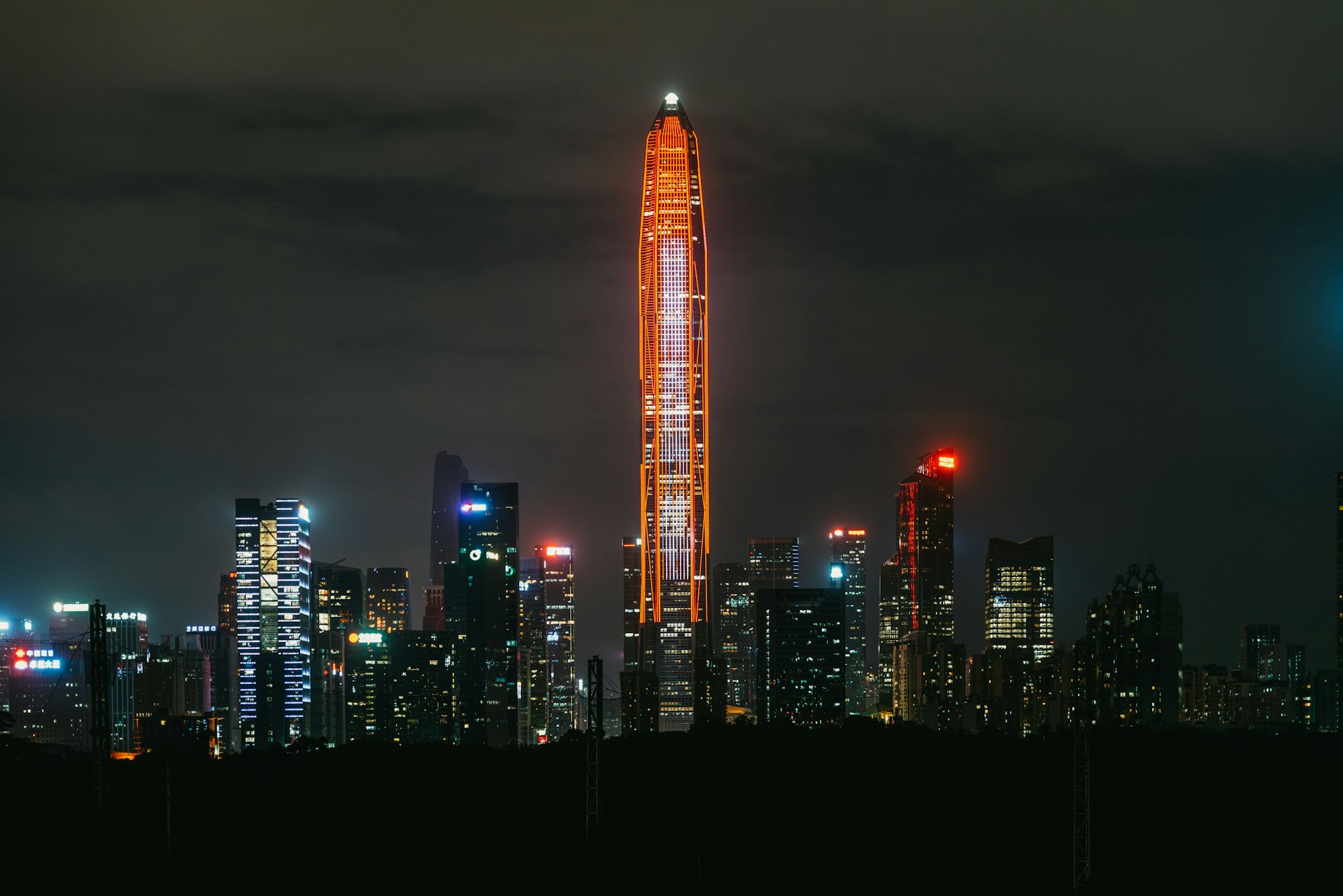
🧭 TL;DR — the honest bottom line
Here's what nobody tells you before you come: Shenzhen is the most future-shocked place you'll visit in China — a 40-year-old megacity built on a fishing village, where you'll bargain for drone parts in the world's biggest electronics market, ride a 55-second lift to 547 metres, eat dim sum the way Cantonese grandmothers do, and then walk straight across a border into Hong Kong on foot. Give it 2–3 days (3–4 with a day trip to Guangzhou or Hong Kong) and you'll see the future and eat extraordinarily well doing it.
Two things to do before you fly: set up an eSIM (so Google and WhatsApp work) and bind a card to Alipay (so you can pay for anything). Sort those two and the rest of this guide is just the fun part. And one Shenzhen-specific thing to read carefully: the Hong Kong border — it's a real crossing, so check your entry conditions before you go.
No time to read all of this? Tell us your dates and we'll build your Shenzhen plan for you — on WhatsApp, real humans. (One message, no obligation.)
Message us →📌 This guide is long because it's complete — use the menu to jump. Everything below is named, priced, and verified June 2026; we flag anything that drifts so you can double-check the load-bearing details.
Before You Go
🛂 Do You Need a Visa for Shenzhen? — Visa-Free Entry Explained
Shenzhen borders Hong Kong, so check how your planned crossing fits your mainland entry conditions. Start by checking whether your passport and itinerary qualify for 30-day visa-free entry or 240-hour visa-free transit.
| Route | Who it's for | Max stay | The catch |
|---|---|---|---|
| 30-day visa-free | 50 countries — most of Europe, Australia, NZ, Japan, Korea, and UK + Canada (added 17 Feb 2026) | 30 days | Ordinary passport. Tourism/business/visiting friends/transit — no onward-ticket rule. |
| 240-hour (10-day) transit | 57 countries incl. the USA, Mexico, Brazil, Indonesia | 10 days | You must hold an onward ticket to a third country/region and enter via an approved port (in Shenzhen: SZX airport, Shekou port, or the West Kowloon high-speed rail from Hong Kong). |
✓ verified Oct 2026 Lists shift often — reconfirm your nationality on the official site before booking.
🇺🇸 Americans, read this carefully — Shenzhen is built for you
US citizens are not on the 30-day visa-free list, but they are on the 240-hour visa-free transit list. To use it, you must meet the policy's conditions, including entry through an approved port and a confirmed onward ticket to a third country or region different from your departure country or region.
The official notices say only "a third country or region", and none of the official pages we read names Hong Kong or Macao either way. Reading them as qualifying is a reasonable inference, not an official rule. If your plan depends on it, ask the National Immigration Administration's 24-hour hotline, +86 12367 (English available), before you book. A Japan → Shenzhen → Japan itinerary does not meet the third-country-or-region condition.
Where to enter matters — this is the bit blogs get wrong. For the 240-hour scheme, Shenzhen's entry ports are Shenzhen Bao'an International Airport (SZX) and Shekou passenger port; since 5 Nov 2025 you can also enter on the high-speed train from Hong Kong West Kowloon, or via the Hong Kong–Zhuhai–Macao Bridge. Your permitted travel zone is all of Guangdong Province. The Shenzhen–Hong Kong land crossings (Luohu, Futian, Huanggang, Shenzhen Bay) are exit-only for this scheme — not 240-hour entry ports (Guangdong lets you exit through any open port). So don't plan a 240-hour entry over those crossings; use them to continue onward to HK.
Three things that quietly sink people
① The 240 hours don't start when you land — they start at 00:00 the next day (GMT+8), so your arrival day is a freebie. ② Your onward country or region must differ from your departure country or region. Whether Hong Kong or Macao qualifies is an inference, not an explicit rule in the official notices. ③ Crossing into Hong Kong is exiting mainland China. If your itinerary includes Hong Kong and you are relying on the 240-hour visa-free transit, ask the National Immigration Administration's hotline, +86 12367, how your planned route fits the policy before you book.
Of the HK land crossings, only the West Kowloon high-speed rail station and the HZMB (Zhuhai) are official 240-hour entry ports; Luohu/Futian/Huanggang/Shenzhen Bay are not. Reconfirm on en.nia.gov.cn before you book.
A note on the expiry: the 30-day unilateral policy runs through 31 December 2026 for most countries (Foreign Ministry notice, 3 Nov 2025; Russia through 2027, Brunei open-ended). Reconfirm your own nationality on en.nia.gov.cn before you book. Policy and country lists shift.
🗓️ Best Time to Visit Shenzhen
Aim for October through April — that's the whole comfortable half of the year. Shenzhen is humid subtropical, which means the real enemy isn't cold, it's summer heat, monsoon rain, and typhoons. Sweet spots: mid-March to mid-April and mid-October to late November — warm, dry-ish, easy.
| Season | Months | Temp | The real story |
|---|---|---|---|
| 🍂 Autumn (best) | mid-Oct–late Nov | comfortable, low rain | The golden window. Warm days, dry, perfect for the Bay and rooftop bars. |
| 🌸 Spring (best) | mid-Mar–mid-Apr | mild | The other sweet spot. Green and pleasant before the wet season hits. |
| ☀️ Winter | Dec–Feb | 15–20°C | Mild and the driest months of the year. An underrated, very pleasant time to come. |
| 🌧️ Summer (avoid-ish) | Jun–Aug | hot + very wet | Rainiest May–Sep (>200 mm/month); heaviest thunderstorms Jun–Jul. Sticky. |
The typhoon caveat — build a buffer if you come Jul–Sep
Typhoon season runs roughly May–Dec, strongest July–September, with a few hitting each year. Most are a non-event, but a direct hit can shut the airport and metro for the better part of a day. If your trip lands in that window, don't book a same-day flight-train-flight connection with no slack.
✈️ How to Get to Shenzhen: Airport & High-Speed Rail
Shenzhen is one of the easiest big Chinese cities to reach — one major international airport and a dense high-speed-rail web. You can travel between Shenzhen and Hong Kong via Luohu or Futian Port, or by high-speed rail between Futian or Shenzhen North and Hong Kong West Kowloon.
Shenzhen Bao'an International (SZX) — into town two ways
- Metro Line 11 (the "Airport Line") — the default. The "Airport" station is a ~3-minute walk from Terminal 3 (entrance inside the GTC concourse). Ride it straight to Futian / Chegongmiao in the CBD in ~35 min for ¥7–11 (fare is distance-based). Runs roughly 06:04–00:01, every ~3 min at peak. (Line 11 even has a premium "business class" car if you want a guaranteed seat.)
- Taxi / Didi — ~40–60 min to the Futian/Luohu CBD, roughly ¥130–170. Worth it for a late arrival or heavy bags; otherwise the metro is one-twentieth the price. Use the Didi app for an English interface and a fixed quote, and head to the airport's signed ride-hail pickup zone (see Part 2).
Don't go looking for a maglev — Shenzhen doesn't have one
That's Shanghai. Shenzhen's fast airport link is Metro Line 11, full stop.
Onward by high-speed rail — Shenzhen is a launchpad
Trains leave from Futian and Shenzhen North stations (both on the metro).
| To | Time (high-speed) | Fare (2nd class) | Why bother |
|---|---|---|---|
| Guangzhou | Check your selected train | Check the current fare | Effortless day trip — dim sum + Canton Tower. |
| Hong Kong | Varies by train (check the booking app) | varies | Futian and Shenzhen North both connect with HK West Kowloon (MTR), or walk across at a land border. Hours and routes: Hong Kong–Shenzhen border guide. HK has its own visa rules. |
| Chaozhou / Shantou | ~1h 29m | ~¥80–130 | Old-town charm + Chaoshan cuisine. More of a long day or overnight. |
Book trains on the official 12306 website (English version) or Trip.com with your passport — more in Part 4.
Farther up the coast, Xiamen is ~2.5h by bullet train, and Sanya's beaches on Hainan island are a short flight south.
💴 Shenzhen Travel Budget: What It Costs (per day, excluding flights)
Shenzhen is a tech-money city, so it can be pricey — but day to day it'll still feel cheaper than you expect for what you get, especially the food and transport. Rough daily budgets:
| Style | Per day (ex-flights) | What that buys you |
|---|---|---|
| 🎒 Backpacker | ¥200–350 (~$28–49) | Budget room, dim sum + noodle shops + street food, metro everywhere, free parks (Shenzhen Bay, Lianhuashan) |
| 💺 Mid-range (most people) | ¥400–800 (~$56–112) | Comfortable 3–4★ hotel, sit-down Cantonese, Didi when you're lazy, a paid view or two (Ping An "Free Sky", Window of the World) |
| ✨ Comfort | ¥1,000+ (~$140+) | 5★ tower hotel with a skyline view, fine Cantonese, cocktails at a 71st-floor bar |
The biggest budget lever isn't your hotel — it's how you eat and move. Dim sum and metro/Didi instead of taxis keep you firmly mid-range while living very well; the free waterfront parks and creative districts cost nothing at all. (~¥7.1 = $1 as of Jun 2026; rates drift.)
Sources — Part 1 (verified June 2026)
Visa & 240h transit: en.nia.gov.cn (National Immigration Administration — unilateral visa-exemption list "as of 17 Feb 2026", UK + Canada added, USA not on the 30-day list); NIA 240-hour policy page (20 Aug 2026: 57 nationalities incl. USA; Shenzhen entry ports SZX + Shekou, plus West Kowloon HSR and HZMB since 5 Nov 2025; Luohu/Futian/Huanggang/Shenzhen Bay exit-only; Guangdong-wide zone); china-briefing.com & chinatravel.com (third-country rule; their reading that Hong Kong/Macau count as an onward region is not stated in the official notices); csair.com official 240h notice; chinadiscovery.com SZ–HK border-crossing guide; Foreign Ministry notice 3 Nov 2025 (30-day policy through 31 Dec 2026 for most countries).
Best time / climate: chinadiscovery.com, chinahighlights.com, climatestotravel.com (best Oct–Apr; winter 15–20°C and driest; rainiest May–Sep >200 mm/mo; typhoons strongest Jul–Sep).
Airport & metro: travelchinaguide.com (Line 11 ¥7–11/~35 min, ~06:04–00:01), airporttransferportal.com (taxi ~¥130–170), trip.com airport-to-city. (No maglev in Shenzhen — that's Shanghai.)
High-speed rail: MTR High Speed Rail, Destinations (West Kowloon connections); trip.com (SZ→Chaozhou ~1h29m).
Budget / currency: numbeo Shenzhen + on-the-ground rates, 2026 (~¥7.1 = $1 USD).
Arrival & Essentials
The three things that turn China from "intimidating" into "effortless." Do the first two before you fly — fifteen minutes at home saves you a stressful first hour at the airport.
📱 Internet & VPN in China: Get an eSIM before you fly
Let's be blunt about the thing everyone whispers about: mainland China blocks Google, Instagram, WhatsApp, Gmail, and most Western apps. Your normal SIM will roam onto a Chinese network and hit that same wall. (Cross the border into Hong Kong and everything works normally again — but in Shenzhen, you need a plan.)
The clean, legal, no-drama fix: an international travel eSIM that routes your data through a server outside the mainland — so Google Maps, WhatsApp, Instagram, all of it just works, with no separate VPN to fiddle with. You install it as a second line; your home number stays for calls and texts.
| eSIM | Best for | VPN? | The honest take |
|---|---|---|---|
| Nomad | Shenzhen + Hong Kong / multi-city | No | The most stable one when you're moving across the HK border or hopping cities. Top pick if Shenzhen is one stop on a bigger trip. |
| Airalo | One or two cities, budget | No | The most popular, cheapest, dead-simple. Plenty for a city-based Shenzhen trip. |
| Holafly | Heavy data users | No | Unlimited data plans + 24/7 support. Great if you stream/hotspot a lot — just check the fair-use cap. |
| Saily | Privacy-minded | No | By the NordVPN team, strong privacy. Solid for fixed-data plans, less ideal for movement-heavy routes. |
How it actually goes: buy online → you get a QR code by email → scan it to install (2 min) → leave it off until you land → flip it on as the plane taxis in, and you're online before baggage claim. Only needs an email — no Chinese ID, no registration. Buy it at home on your own Wi-Fi; do not count on installing it after you land, because the activation pages can themselves be behind the wall.
One phone really does replace everything
Wallet, keys, train tickets, translator, metro card, bike unlock, dim-sum orders, attraction tickets — all collapse into one phone the moment you're set up. In Shenzhen, the city that builds the world's phones, most people pay by phone, though cash is still legal tender; restaurants hand you a QR code instead of a menu and the bill is settled before the tea cools. Get your eSIM + Alipay sorted and you operate exactly like a Shenzhen native by day two.
More on this: China Essentials — paying with Alipay & WeChat →💳 How to Pay in China: Alipay & WeChat for Foreigners
Most people pay by phone, but cash is still legal tender: since 1 February 2026, staffed businesses must accept it. Keep some small notes as a backup (is cash accepted in China?). Don't count on foreign cards at small shops; bigger hotels, malls and major sights are more likely to take them. The great news for 2026: Alipay and WeChat Pay both take a foreign Visa/Mastercard directly, no Chinese bank account needed. Do this at home before you fly — identity verification is smoother on your home connection, and you want it working the second you land.
Set up Alipay (your main wallet)
- Download Alipay from your app store and register with your home mobile number (you'll get an SMS code).
- Open "Cards" → "Add Bank Card" and enter a real Visa or Mastercard. ⚠️ Use a normal physical credit/debit card — prepaid and virtual/online-only cards are frequently rejected. This is the #1 reason setup fails.
- Complete passport verification (photo of passport + a quick selfie). Approval is usually minutes. (Insider note: Alipay's foreigner verification is noticeably lighter-touch than WeChat's, which is why most travelers make Alipay their main wallet.)
- Add a small backup: download WeChat Pay and bind a second physical card the same way — handy if one card ever gets declined.
The limits & fees you need to know ✓ verified Jun 2026
| Figure | |
|---|---|
| Payments under ¥200 | Fee-free (0%) |
| Payments over ¥200 | ~3% service fee |
Alipay and WeChat Pay set spending limits for foreign cards — see Essentials. Check your current limit in the app.
The practical read: the under-¥200 fee-free rule covers the vast majority of what you'll buy — dim sum, metro, coffee, taxis, snacks, and most of Huaqiangbei. The ~3% only bites on bigger hits like a hotel or a fancy dinner. Still, carry some cash and a second physical card as a fallback — rare, but cards do occasionally get declined and you don't want to be the person who can't pay.
🚕 Getting Around Shenzhen: Metro, Didi & Airport Transfer
Shenzhen's metro is modern, fully bilingual, English-announced, and absurdly cheap; Didi (China's Uber) fills every gap, and shared bikes are perfect for the waterfront. Here's how to get from the gate to your hotel, ranked.
From the airport into town
| From | Option | Time | Cost | When to pick it |
|---|---|---|---|---|
| Bao'an (SZX) | Metro Line 11 → Futian/CBD | ~35 min | ¥7–11 | Default. Fast, cheap, beats traffic. Runs ~06:04–00:01. |
| Bao'an (SZX) | Didi / taxi to your hotel | 40–60 min | ¥130–170 | Late arrival, heavy bags, or a hotel far from a metro stop. |
Riding the metro — Shenzhen gives foreigners four ways to pay, and one is uniquely easy
- Tap a foreign Visa/Mastercard straight at any gate lane. Since 10 Sep 2026 every gate lane on the whole network (17 lines, 432 stations) accepts international bank cards, so there is no special lane to find; look for the foreign-card sign on the gate. The card must be contactless with small-amount no-PIN payment switched on. No app, no SIM, no registration — just tap and walk through. This is the fastest option if you've literally just landed.
- Alipay → search the "Transport" / 乘车码 mini-program → add Shenzhen → passport real-name → scan the QR at the gate (auto-charges by distance). Easiest app route for foreigners.
- Shenzhen Tong stored-value card, or a single-journey ticket from any machine — the ticket machines have an "English" button: tap your destination on the map and it calculates the fare.
Using Didi (set it up before you fly — it takes ~10 min): Didi has a full English app, takes foreign Visa/Mastercard (or link Alipay), and you register with your home phone number — no Chinese SIM or bank needed. The in-app chat has a built-in English↔Chinese translator and 24/7 English support.
- At the airport and big stations, don't book from inside the terminal — walk to the signed 网约车 (wǎngyuē chē) ride-hailing pickup zone first (there's a designated red geofenced area at SZX); the app shows step-by-step photos of the walk. When the driver arrives they'll confirm it's you against your booking — just show them your screen.
Shared bikes — the move for Shenzhen Bay & OCT. Download Meituan, Hellobike, or Didi (green) bikes before you land, switch the app to English in settings, and scan the QR on the handlebar to unlock. Didi bikes ride on the same account as your Didi car rides. Perfect for the 13 km Shenzhen Bay boardwalk or wandering OCT-LOFT.
"Wait — Shenzhen is THIS safe at night?"
Violent crime against foreigners here is essentially unheard of — locals and expats alike describe walking any district at 3am without a second thought, and Shenzhen's safety reality is "you could stroll Huaqiangbei at midnight and the only risk is dropping your own phone." Dense CCTV and a relaxed migrant-city vibe mean opportunistic street crime barely exists. The real risks aren't violence — they're losing your phone, the odd club overcharge, and unlicensed taxis (just use Didi). Solo women report low harassment and that, unlike smaller cities, people don't stare or approach.
The 4 ways to pay for the Shenzhen metro, side by side
| Method | Setup needed | Best when |
|---|---|---|
| Tap foreign Visa/MC at any gate lane | None — just tap | You've just landed, no app/SIM yet |
| Alipay 乘车码 QR | Add Shenzhen + passport real-name in-app | You've already set up Alipay (most people) |
| Shenzhen Tong card | Buy + top up at a machine | You want a physical card / are staying a while |
| Single-journey ticket | Tap destination on the English-button machine | One-off ride, no app |
Sources — Part 2 (verified June 2026)
eSIM: unusualnomad.com, traveltomtom.net, cybernews.com (China eSIM tests 2026 — all route offshore / no separate VPN; Nomad most stable, Airalo cheapest).
Alipay limits & fees: realchinatrip.com, trip.com (<¥200 fee-free · ~3% above; prepaid/virtual cards often rejected; confirm limits in-app).
Metro payment & Didi & bikes: realchinatrip.com (4 payment methods incl. foreign-card tap), sz.gov.cn intl-visitor payment, trip.com Shenzhen metro / How-to-use-Didi / bike-sharing, thechina.travel bike sharing.
Safety: travelsafe-abroad.com (low risk, index 65/100), travelladies.app (solo female), mychinainterpreter.com (real risks = scams/phone loss not violence; safe late at night).
Things to Do in Shenzhen
Bargain for drone parts in the world's biggest electronics market, eat dim sum the way Cantonese grandmothers do, ride a 55-second elevator to 547 metres, and walk straight across a border into Hong Kong on foot. Everything below is named, priced, and verified June 2026 — walk in and do it, no second tab needed.
📌 Most data points carry a source tag in the footer. Prices move; opening hours shift on Chinese public holidays, and most paid sights now need a real-name online booking tied to your passport. When a single number really matters to your plan, give it a 30-second confirm on Trip.com or the official page — we flag the volatile ones.
🔌 Huaqiangbei (华强北) — the World's Biggest Electronics Market
This is the single most "only in Shenzhen" thing on the planet, and it's free to wander. Imagine a dozen office towers, each one a multi-storey honeycomb of tiny stalls, all selling electronics — raw components (chips, resistors, capacitors), phones and accessories, drones and spare props, earbuds, dev boards, LED signage, repair parts. If it has a circuit board, someone in Huaqiangbei sells it, fixes it, or makes it. Hardware engineers fly here from Silicon Valley just to walk the floors. You don't need a ticket, a booking, or a passport to step in — just go.
Getting there — three doors in
| Metro | Exit / detail | Lands you |
|---|---|---|
| Line 7 → Huaqiang North Station | drops you in the heart of it | Best single option — you surface inside the market |
| Line 2 or 8 → Huaqiangbei Station | Exit E1, ~5-min walk | North end of the strip |
| Line 1 → Huaqiang Road | short walk north | South approach |
It's the open-air pedestrian zone you can wander 24/7, but the towers and stalls run roughly 10:00–20:00 — go mid-morning to late afternoon for a full floor.
How to actually shop it (or you'll drown)
- Pick a tower, don't try to "do" all of them. SEG Plenty (华强电子世界) and the SEG-branded towers are the classic starting points — components on the lower floors, finished gadgets higher up.
- Bargain — it's expected. Opening prices are inflated for tourists; a fair counter-offer starts around 50% and you meet in the middle.
- Genuine and replica sit side by side. A "brand-name" anything at a suspiciously low price is a knockoff. That's fine if you know it's a knockoff and want it; it's a trap if you think you found a real flagship phone for a third of the price.
- Pay by QR (Alipay/WeChat). Cash works at the older stalls; bring some small notes as backup.
The maker angle (this is the bit travel sites miss): tucked inside Huaqiangbei is SEGMaker, a working makerspace with CNC machines, laser cutters, 3D printers and oscilloscopes — the spiritual home of Shenzhen's "build a prototype in a weekend" reputation. You can't always walk in unannounced, but it's the reason hardware founders treat this neighbourhood as a pilgrimage. Stand in the middle of it and you understand why Shenzhen is called "the Silicon Valley of hardware."
You can build an entire electronic product without leaving one neighbourhood
Back home, sourcing a custom prototype means weeks of shipping from five suppliers. In Huaqiangbei you can buy the chips on the 2nd floor, the screen on the 4th, get a custom PCB printed nearby, and have a stall assemble and test it the same afternoon — then walk it to the SEGMaker makerspace for the casing. This is a genuine parallel universe of hardware that simply doesn't exist anywhere in the West. Even if you never buy a thing, walk the floors once — it's the most futuristic hour you'll spend in China.
Want a local hardware insider to walk you through Huaqiangbei — find the real stalls, translate the bargaining, sort a custom build? Tell us what you're after on WhatsApp.
Ask us →🏙️ Top Things to Do in Shenzhen — the anchors, with tickets & exact metro exits
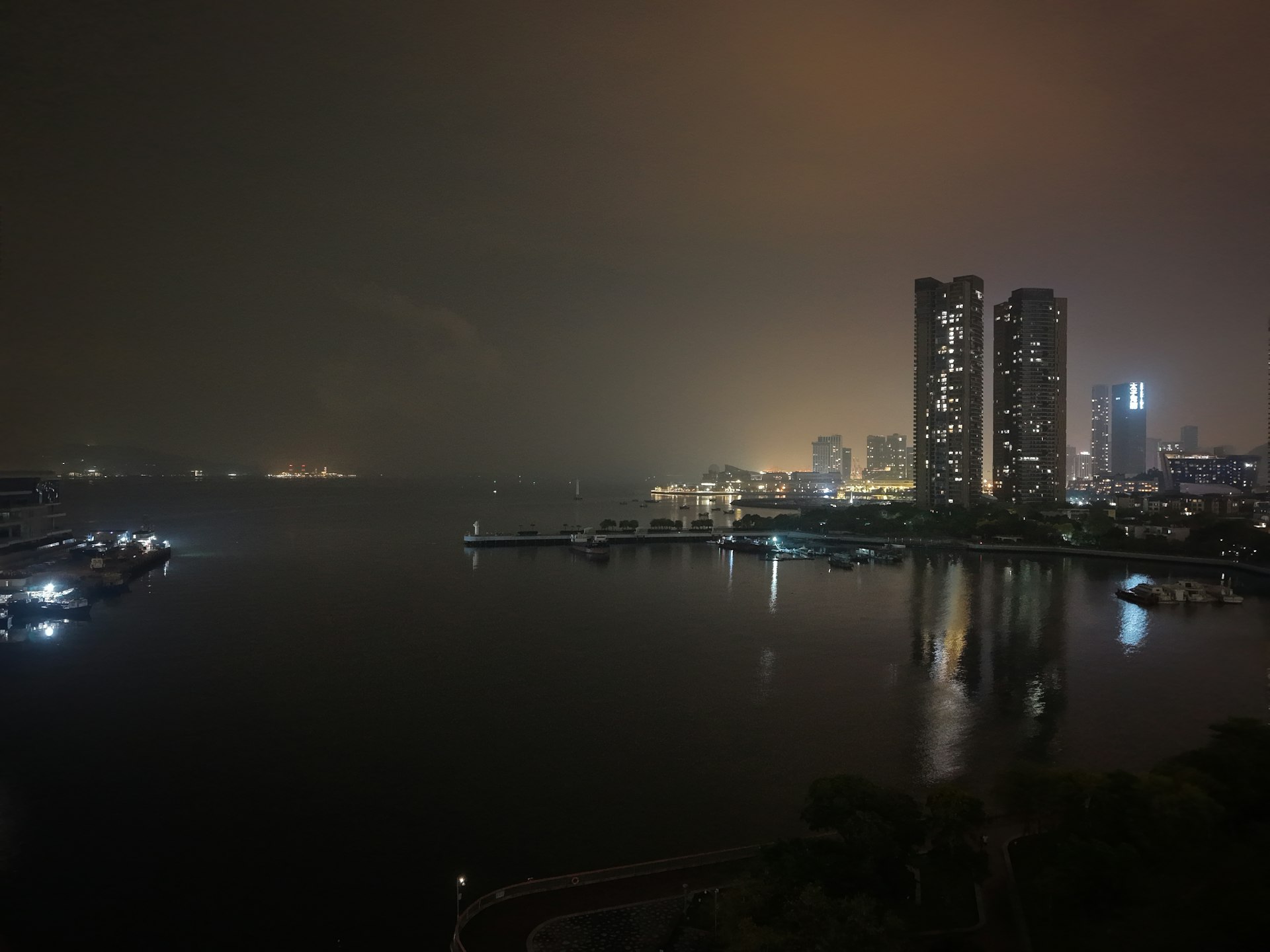
Shenzhen has no ancient old town — it's a city of theme parks, sky-high views and green coastline. Here's each anchor with the ticket, the hours, the exact metro exit, and the one reason to go.
Universal booking rule (true for every paid sight below)
China attractions use real-name registration tied to ID, and many official WeChat mini-programs reject foreign passports. Trip.com is the reliable default — it takes foreign passports and foreign cards. Book with the exact name on your passport, screenshot the confirmation, and carry your physical passport (it's checked at the gate). A mid- or upper-range hotel will also book for you if you ask 3–5 days ahead.
Window of the World (世界之窗) — ¥220 day / ¥100 evening
The famous one: the world's landmarks shrunk into one park — a 108-metre Eiffel Tower, mini Pyramids, a tiny Taj Mahal — plus an evening song-and-dance show. Kitschy, photogenic, and a Shenzhen institution since the 1990s.
- Ticket: ¥220 day; ¥100 evening (entry after ~19:30). Open 09:30–21:30. OTA promos often undercut face price — check Trip.com/Klook.
- Metro: Window of the World station, Line 1 & 2 — the station is named for it, you can't miss it.
- Heads-up: it's in OCT, Nanshan District (No. 9037 Shennan Road) — not Luohu, despite what a few out-of-date listings say.
Splendid China & Folk Culture Village (锦绣中华·民俗村) — ¥220 day / ¥120 after 17:00
Next door to Window of the World, now merged into one park on a single ticket: miniature versions of China's great sights (Great Wall, Forbidden City, Terracotta Army) plus a folk-culture village with ethnic-minority performances.
- Ticket: ¥220 day; ¥120 after 17:00. Open ~10:00–22:00 (the Splendid China miniatures section closes earlier, ~18:00; the Folk Village runs to ~21:00; both open 09:00 on public holidays).
- Book: Trip.com/Klook + passport, or the official site szjxzh.com.cn/english.
- Insider: if you only have time for one OCT park, this is the better "all of China in an afternoon" hit; Window of the World is the better evening (the night show). Do both in one OCT day if you've got the legs.
Ping An Finance Centre "Free Sky 116" (平安金融中心) — ¥180–200
The observation deck on the 116th floor at 547.6 metres — one of the tallest in the world, with glass viewing zones, a mirror maze, VR, and on a clear day a view all the way to Hong Kong. The elevator hits the top in about 55 seconds.
- Ticket: ~¥180–200 (≈US$27; OTA promos run lower). Open daily 09:30–22:00. The ticket desk is on B1.
- Book: Trip.com/Klook + passport.
- Insider: go late afternoon and stay through sunset — you get the city in daylight, the golden hour, and the skyline lighting up, all on one ticket. It's the paid, air-conditioned counterpart to the free Lianhuashan view below.
Lianhuashan Park (莲花山) — free (the best free skyline view in the city)
A gentle hill in the middle of Futian with the 6-metre bronze statue of Deng Xiaoping at the top — and from the summit, the best free panorama of the Futian CBD, the Ping An tower spearing the skyline dead ahead. The walk up takes about 20 easy minutes.
- Ticket: Free. Open ~06:00–22:30. Address: No. 6030 Hongli Rd, Futian.
- Metro: Line 3 & 4 → Children's Palace station, Exit F1, 3-min walk to the South Gate (or Line 2 → Lianhua West, Exit A, ~8 min).
- Insider: time the climb for just before sunset — locals fly kites on the summit plaza in the evening, the skyline lights come on, and it costs nothing. This is the photo you came for, free.
Shenzhen Bay Park (深圳湾公园) — free
A 13-km coastal park with a 2-km mangrove boardwalk, sea breeze, and — across the water — the Hong Kong skyline and the Shenzhen Bay Bridge. It's where locals run, cycle and watch the sunset.
- Ticket: Free, no booking. Bike rental ¥30/hr at the park, or just unlock a shared bike (Meituan/Hellobike/Didi).
- Metro: Line 9 or 11 → Shenzhen Bay Park station (Line 9 Exit D2 for the core area).
- Insider: arrive before ~16:00, rent a bike, and ride the boardwalk west toward the bridge for the sunset over Hong Kong. Budget 3–4 hours. This is the most relaxed half-day in Shenzhen.
OCT-LOFT (华侨城创意园) & Dafen (大芬) — free, the arty side
Two free, low-key alternatives to the theme parks:
- OCT-LOFT (No.2 Jingxiu North St, Nanshan): a former factory turned design district — galleries, indie bookshops, design studios, craft-coffee bars. Free, open 24/7; shops/galleries ~13:00–19:00. Metro Line 1 → Qiaocheng East, Exit A or Line 2 → Qiaocheng North, Exit B.
- Dafen Oil Painting Village (大芬): ~1,000+ studios where painters reproduce (and create) art — "China's No.1 oil-painting village." Free. Metro Line 3 → Dafen, Exit A2, ~10-min walk.
🛂 Walk Into Hong Kong — the Shenzhen–HK Border Crossings (深港口岸)
You can walk across the border into Hong Kong at Luohu or Futian Port. Shenzhen wraps right around the top of Hong Kong, and at two crossings the metro takes you right to the border: you clear mainland exit, walk across, clear HK entry, and step onto a Hong Kong MTR train — no airport, no ferry. It's one of the most quietly mind-blowing things you can do here.
The two crossings worth knowing
| Crossing | Shenzhen metro | Hours | Lands you at (HK side) |
|---|---|---|---|
| Luohu / Lo Wu (罗湖口岸) | Line 1 → Luohu station (exits A1, A2 and A3 lead to the border inspection, according to Shenzhen Metro Group's undated station page) | 6:30 a.m. to midnight | HK MTR East Rail Line, Lo Wu station — the classic crossing |
| Futian / Lok Ma Chau Spur Line (福田口岸) | Line 4 or 10 → Futian Port station; a pedestrian bridge links the checkpoint to Hong Kong's Lok Ma Chau control point (per Shenzhen's Office of Port of Entry and Exit) | 6:30 a.m. to 10:30 p.m. | HK MTR East Rail Line, Lok Ma Chau station — closes earlier than Luohu |
Hours are from the Hong Kong Immigration Department's list (dated 26 June 2026); Shenzhen's Office of Port of Entry and Exit (page updated 4 November 2025) gives the same times.
(There are more — Huanggang and Shenzhen Bay, both road crossings — plus the HK West Kowloon HSR if you'd rather take the bullet train across. At West Kowloon you clear both immigrations inside the station: the port office describes it as “Two Inspections at One Place”.) The full guide lists the crossings, their opening hours and the rail or bus links covered by the official sources.
Hong Kong into Shenzhen
Going the other way, ride the MTR East Rail Line to Lo Wu (for Luohu) or Lok Ma Chau (for Futian); MTR says both stations connect directly to the control points. Or take the high-speed rail from West Kowloon. One catch if you are relying on the 240-hour transit: of the crossings between Hong Kong and Shenzhen, only West Kowloon station is on Guangdong's list of 240-hour entry ports. Luohu, Futian and Shenzhen Bay are not, so don't plan to start a 240-hour stay at them (entry ports and permitted areas by province). The 30-day visa-free entry applies at all open ports, so the entry-port limit only affects the 240-hour transit.
You can eat dim sum in Shenzhen and shop in Hong Kong the same afternoon — on foot
At Futian Port station you get off Line 4 (or Line 10), clear mainland exit, cross a pedestrian bridge to Hong Kong's Lok Ma Chau control point, clear Hong Kong entry, and step onto an East Rail Line train. Crossing into Hong Kong means exiting mainland China, so check your entry conditions before you go. If your itinerary includes Hong Kong and you are relying on the 240-hour visa-free transit, ask the National Immigration Administration's hotline, +86 12367, how your planned route fits the policy before you book. (See Part 1 for the full visa breakdown.)
Full guide: Hong Kong–Shenzhen border crossings, hours and routes →🥟 What to Eat in Shenzhen: Cantonese Dim Sum & Beyond — a foreigner's field guide
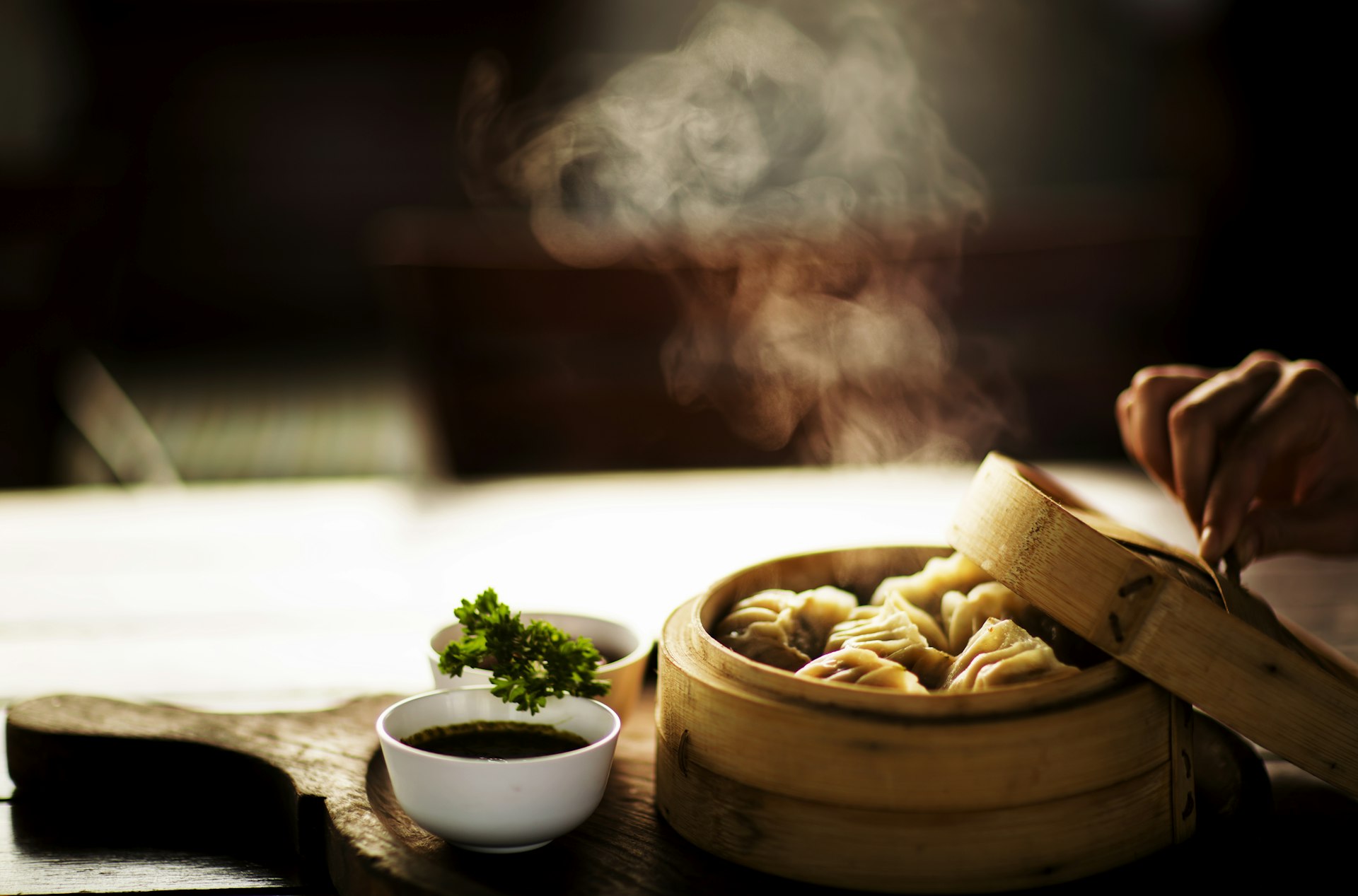
Shenzhen is a migrant city — almost everyone here came from somewhere else — which means two things on a plate: world-class Cantonese dim sum (this is the Cantonese heartland), and basically every regional Chinese cuisine, done well, because someone's grandmother brought the recipe. The signature ritual is yum cha (饮茶) — "drink tea," i.e. a leisurely dim-sum brunch. Do it at least once.
Dim sum, decoded (so you don't freeze at the menu)
Dim sum is small plates of dumplings, buns and rolls, eaten with tea, ordered off a checklist menu (tick the boxes) or these days a scan-the-QR menu on your phone. The starter order every table makes:
- Har gow (虾饺) — translucent steamed shrimp dumplings. The benchmark dish; judge a place by these.
- Char siu bao (叉烧包) — fluffy steamed BBQ-pork buns.
- Cheung fun (肠粉) — silky steamed rice-noodle rolls, often with shrimp or beef.
- Siu mai (烧卖) — open-topped pork-and-shrimp dumplings.
How to order without embarrassment: point-and-pick always works; tea comes first (jasmine or pu'er is standard — flip the lid ajar on the pot to ask for a refill). Pay by scanning the table QR (Alipay/WeChat); say "mǎi dān / 买单" if you want a human to bring the bill. English menus are common in malls and hotels.
Where to eat dim sum — five real options
| Spot | Vibe | Per person | Where / signature |
|---|---|---|---|
| Diandude (点都德) | The easy first-timer pick — bright, busy, big picture menu, multiple branches | ~¥60–100 | Huanggang 1st St, Futian (and others); go for the har gow + char siu bao |
| Laurel (丹桂轩) | Reliable mid-range chain, huge dim-sum range | ~¥100 | Multiple branches; strong rice-noodle rolls |
| Daoxiang Jiujia (稻香酒家) | Cantonese chain (Shenzhen + Guangzhou) | ~¥80–120 | Known for juicy shrimp dumplings |
| Jin Du (金都, Shekou) | A 20-year-old local favourite, less touristy | ~¥60–90 | Shekou, Nanshan — where locals actually go |
| Shang Palace (香宫, Shangri-La) | The splurge — refined Cantonese, white tablecloth | ~¥300+ | L2, Shangri-La, 1002 Jianshe Rd, Luohu; handmade shrimp dumplings, truffle egg with Boston lobster |
Budget reality: a proper dim-sum brunch for two at a chain like Diandude or Daoxiang lands around ¥120–200 total — you over-order, you waddle out, and it still costs less than two coffees-and-pastries back home. Per-person figures vary by branch; confirm a specific dish price on Dianping if it's load-bearing.
Want a local to take you for proper yum cha — order the right dishes, skip the tourist spots, translate the trolley? Ask us on WhatsApp.
Ask us →🌃 Shenzhen Nightlife: Bars, Clubs & Rooftops — After Dark
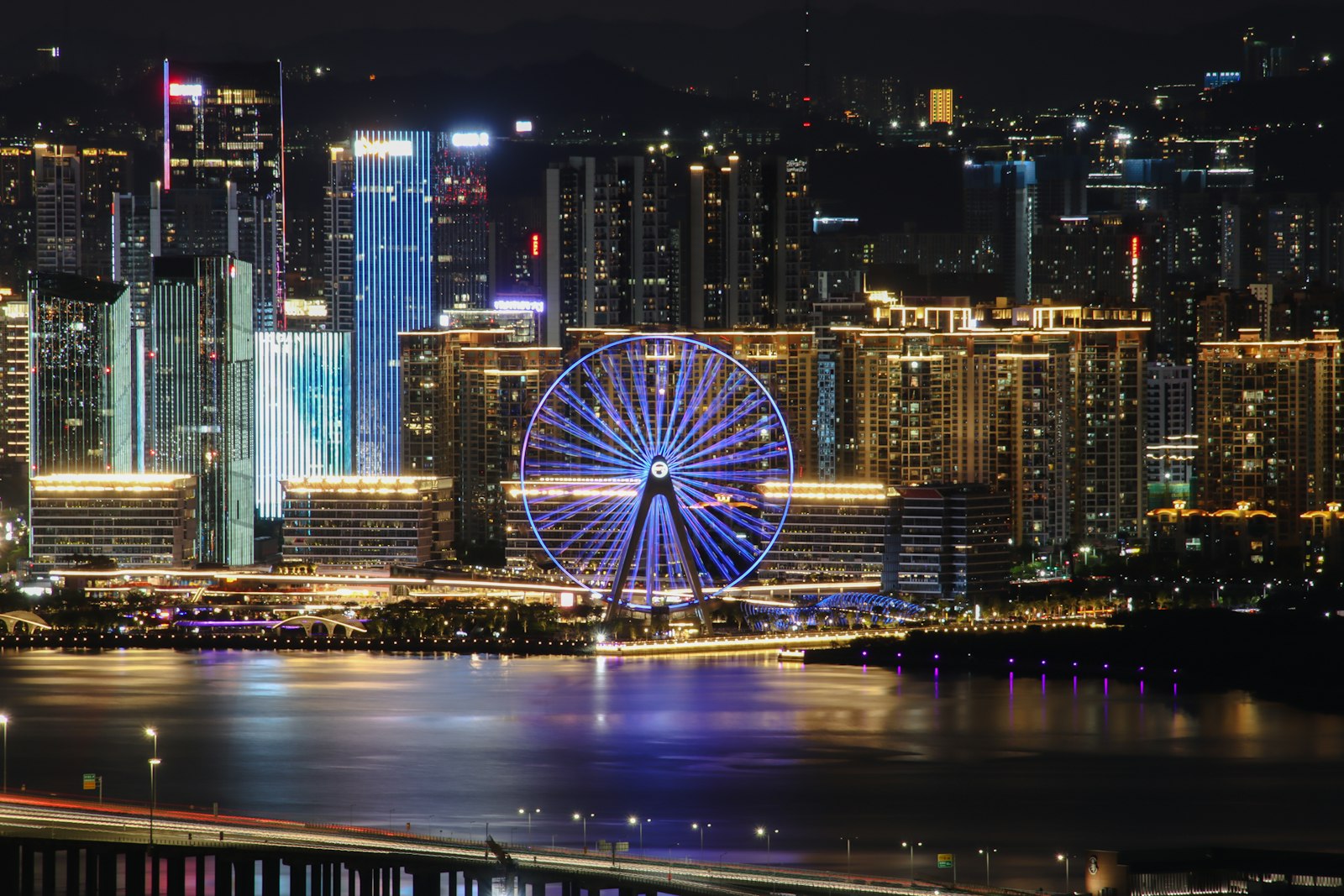
Here's the thing nobody tells foreigners: Shenzhen nights are genuinely fun, ridiculously safe, and run very late. This is a young city — median age under 35 — and the after-dark scene splits cleanly by district. Pick your scene:
COCO Park (Futian)
The default. 20+ bars, livehouses and clubs under the CBD towers — craft beer, dance clubs, jazz, rooftops.
Cocktails ¥80–150Sea World (Shekou)
Expat-favourite international bars around a docked cruise ship + musical fountain. Relaxed, lots of English.
Beer ¥50–80Rooftops
Rapscallion (Futian) for the Ping An view; Raffles Long Bar on the 71st floor for a cocktail with altitude.
Per-head ¥80–150The scenes, in detail
- COCO Park (Futian CBD) — the main hub. An open-air strip with 20+ bars, livehouses and clubs under the CBD towers — craft-beer bars, dance clubs (Club Viva, Eden), jazz (LAVO), rooftops (RMK). If it's your first night, start here. Metro: Line 1 → Shopping Park, or Line 3/8 → Hongling, right by COCO Park.
- Sea World (Shekou, Nanshan) — the international crowd. An expat-favourite cluster of international bars around a permanently docked cruise ship and a musical fountain — more relaxed, more English spoken, great for an easy evening.
- OCT-LOFT (Nanshan) — craft beer & quiet terraces. The arty, low-key option: craft taprooms and calm terraces in the design district, an older and mellower crowd than COCO Park.
- Rooftops for the skyline. Rapscallion (Futian) has skyline views of the Ping An tower and KK100; Raffles Long Bar, 71st floor is a high-altitude hotel lounge for a proper view-with-a-cocktail night.
The practical bits
Drink prices: cocktails ¥80–150; craft beer ¥50–80; a quieter bar runs ¥80–150 a head. Payment: mostly QR codes (Alipay/WeChat) — set that up before you go out. The rhythm: nobody shows before ~22:00; bars run to 02:00–03:00 weekdays, 03:00–04:00+ weekends; clubs go to 05:00 Fri/Sat. Getting home: the metro stops around midnight, so for the late exit, Didi is your friend.
A big night out here is wildly safe — you can walk any district at 3am
The "China nights are boring or sketchy" assumption is just wrong. Shenzhen is one of the safest big cities anywhere after dark — violent crime against foreigners is essentially unheard of, the streets are CCTV-blanketed and well-lit, and locals (women included) routinely head home alone past midnight. The real risks are mundane: losing your phone, a club padding the bill, or an unlicensed taxi — so use Didi, keep your phone zipped, and check the tab. That's it. Walk any district at 3am and the worst thing that happens is you can't find a snack stall still open.
☕ Shenzhen Coffee Walks & Special Neighbourhoods — how locals actually spend a day
Shenzhen's most current local ritual isn't a temple or a tower — it's the coffee walk (咖啡漫步): stringing together three or four specialty cafés on foot through a restored old neighbourhood. The scene exploded after 2020, and it's now how young Shenzheners spend a weekend afternoon. This is the "do what locals do" move.
The two routes locals actually walk
- Nantou Ancient City (南头古城) — a 1,700-year-old walled town restored into a warren of design shops and indie cafés. The standout is Jifu Coffee (几福咖啡), run by the 2019 China Barista Champion — order whatever's on the single-origin board.
- OCT-LOFT (华侨城创意园) — the factory-turned-design-district from the attractions section doubles as the other great café route: craft coffee between galleries and bookshops.
The local twist worth ordering: some Shenzhen cafés serve coffee in a gàiwǎn (盖碗) — the lidded Chinese tea bowl — or invent crossover drinks like osmanthus-wine or black-sesame lattes. It's the city's "East-meets-West, why not" energy in a cup.
More coffee, and the wider price picture
- The baseline is absurdly cheap: the Luckin Coffee chain anchors the whole market at ¥9.9 for a decent latte (often less with app coupons) — which is why the serious specialty scene had to get genuinely good to compete.
- For a view with your cup: M Stand at Cloud Sea Park (Yantian) sits at ~600 m elevation with sea-and-port views — a destination café for the eastern, hillier side of the city.
- How to find the good ones: browse Dianping (大众点评) or Xiaohongshu (小红书) for "Nantou coffee" / "OCT-LOFT coffee," filter by rating and photos. Most are QR-pay; many have English-speaking baristas.
A great coffee here costs ¥9.9 — and a 90-minute dim sum feast for two barely cracks ¥200
Shenzhen feels like a glossy, expensive megacity — and then the bill arrives and it isn't. A solid latte is ¥9.9 at Luckin; a champion-barista pour-over is a few dollars; a blow-out dim-sum brunch for two lands around ¥120–200 total. You can spend a whole day eating, café-hopping and people-watching for less than the cost of one sit-down dinner back home. The "tier-1 Chinese city = expensive" assumption quietly falls apart here.
Want a local to map you a coffee-and-old-town walk — the real cafés in Nantou and OCT-LOFT, plus where to eat around them? Tell us your dates on WhatsApp.
Message us →Sources — Part 3 (verified June 2026)
Huaqiangbei + SEGMaker: eastchinatrip.com, travelchinaguide.com, larojatravel.com, getinthering.co.
Attractions & tickets: trip.com, chinadiscovery.com, klook.com (Window of the World ¥220/¥100; Splendid China & Folk Village ¥220/¥120; Ping An "Free Sky" ~¥180–200); chinaexplorertour.com & en.wikipedia.org (Lianhuashan); intotravelchina.com & wildkingdomtours.com (Shenzhen Bay Park); unseenshenzhen.com (Dafen); szjxzh.com.cn official site; hiddenchinatravel.com & chinasurvivalkit.com (foreigner booking).
HK border crossings: Hong Kong Immigration Department, Control Point Locations (list dated 26 June 2026); Shenzhen Office of Port of Entry and Exit, Checkpoints in SZ (updated 4 Nov 2025); MTR, East Rail Line to and from Lo Wu and Lok Ma Chau; Shenzhen Metro Group, Luohu station page (undated). Links and the other crossings: our Hong Kong–Shenzhen border crossings guide.
Food & dim sum: thechinajourney.com, fuwee.com, letstraveltochina.com.
Nightlife & coffee: chinawondersguide.com, shenzhendecoded.com, wanderinchina.com; travelsafe-abroad.com (night safety).
Prices and hours shift on Chinese public holidays, and OTA prices often run below face value — confirm the load-bearing ones on Trip.com or the official page before you commit.
Day Trips from Shenzhen
Shenzhen is connected with Hong Kong West Kowloon by high-speed rail, and Luohu and Futian Port connect with Hong Kong's East Rail Line. Check the crossing hours and your entry conditions before planning the trip.
🚄 First, the train logic (read this once, it unlocks everything)
Almost every day trip below leaves from one of two hubs: Futian Station (福田站) — bang in the CBD, on Metro Lines 2, 3, 11 & 14, the most convenient for most travelers — or Shenzhen North (深圳北站 / Shenzhen Bei), the bigger long-distance hub on Lines 4, 5 & 6. The booking app tells you which one your train leaves from; just check before you ride out.
How to actually get a ticket (the foreigner-proof version)
- Book on Trip.com or the official 12306 app — both take foreign passports; 12306 is the source of truth, Trip.com is smoother for non-Chinese IDs.
- Plan ahead and check the latest service information for Hong Kong West Kowloon before travelling.
- Bring your physical passport — it is your ticket. Tap it at the foreigner gate (marked); if the auto-gate sulks, the staffed window beside it waves you through in 10 seconds.
- Get to the station early. For the Hong Kong high-speed, leave enough time for the border procedures: you clear both mainland and HK immigration inside West Kowloon station (Shenzhen's Office of Port of Entry and Exit calls it “Two Inspections at One Place”), but it's still a border. Hours and routes are in our Hong Kong–Shenzhen border guide.
Hong Kong West Kowloon connects with Futian and Shenzhen North
MTR lists Futian and Shenzhen North, as well as Guangzhou South and Guangzhou East, among the high-speed rail destinations connected with Hong Kong West Kowloon.
More on this: China Essentials — getting around (rail, metro, Didi) →Before you cross into Hong Kong
Hong Kong and Macau are separate immigration zones. Leaving Shenzhen for HK means exiting mainland China; coming back means entering the mainland again. If your itinerary includes Hong Kong and you are relying on the 240-hour visa-free transit (see Part 1), ask the National Immigration Administration's hotline, +86 12367, how your planned route fits the policy before you book. If your passport is on the 30-day visa-free list, that entry applies at all open ports, so the crossing you pick doesn't decide eligibility. Check the latest requirements on en.nia.gov.cn before you cross.
🍤 Guangzhou Day Trip — the easy one, and the best food in China
Bottom line: the no-brainer day trip — a high-speed train out, zero visa drama, and arguably the greatest eating city in the country. Where Shenzhen is 40 years old and made of glass, Guangzhou is 2,200 years old, the historic capital of Cantonese culture, and the place Shenzhen's dim sum is trying to be. Same province, same passport, no border — just pick a train and go.
Getting there
- Train: Check your selected train's departure station, arrival station, journey time and fare before booking.
- If you arrive at Guangzhou South (广州南) → city center: it's a big station ~17 km out; hop Metro Line 2 or 7 straight into town (~30–40 min), or Didi. Buy a Guangzhou metro ride the same way you do in Shenzhen — tap a foreign Visa/Mastercard at the turnstile, or use Alipay's transit QR.
What to actually do with a day
- Eat dim sum like it's a religion — because here it is. Yum cha (morning tea) is the ritual; the legendary old houses (Guangzhou Restaurant 广州酒家, Tao Tao Ju 陶陶居, Pan Xi 泮溪酒家) do trolley-style or order-by-checklist dim sum that'll recalibrate your standards forever. Per person runs roughly ¥60–120 even at the famous spots.
- Shamian Island — a leafy sandbar of European colonial mansions, car-light lanes, and café terraces; the prettiest slow walk in the city.
- Canton Tower — the 600m "twisted waist" tower for the skyline-and-Pearl-River view, especially at dusk.
- Yongqingfang / Enning Road — restored old Xiguan lanes, Bruce Lee's ancestral home, indie shops and tea.
The honest trade-off: Guangzhou rewards a full day and could easily eat two. If you only want the highlight, treat it as a dim-sum pilgrimage with a riverside walk and be back in Shenzhen by night. Because there's no border, you can be loose with timing — last fast trains run late. Budget a full day, light planning.
🛂 Hong Kong Day Trip — right next door, a universe apart (mind the border)
Bottom line: dazzling, and easy to reach by land crossing or high-speed rail — but it is a real border, so check your entry conditions first. From the mainland's most futuristic city to one of the world's great harbor metropolises — Shenzhen → Hong Kong is the most surreal short hop in Asia. Just read the border box above first.
Two ways across — pick by where you're staying
| Route | Time | Notes | |
|---|---|---|---|
| 🚄 High-speed rail | Futian / Shenzhen North → HK West Kowloon (香港西九龙) | Varies by train | Slickest option. You clear both immigrations inside West Kowloon station (Shenzhen's port office: “Two Inspections at One Place”). Book ahead (Trip.com/12306). |
| 🚶 Walk the land border | Metro to a crossing, walk through customs into HK's rail network | Depends on the queue; longer in peak seasons, on holidays and at weekends | The classic, cheap way. You literally walk from China into Hong Kong. |
The land crossings (you walk straight into the HK MTR)
- Luohu / Lo Wu (罗湖口岸) — Shenzhen Metro Line 1 → Luohu station (exits A1, A2 and A3 lead to the border inspection, according to Shenzhen Metro Group's undated station page); connects to HK MTR East Rail Line at Lo Wu. Hours 6:30 a.m. to midnight, so it stays open later than Futian.
- Futian / Lok Ma Chau Spur Line (福田口岸) — Metro Line 4 or 10 → Futian Port station; a pedestrian bridge leads to HK MTR Lok Ma Chau. Hours 6:30 a.m. to 10:30 p.m., so check the time before you head back.
- (Also Huanggang and Shenzhen Bay, which are road crossings, plus the West Kowloon high-speed option above.) Hours for every crossing are in our border guide.
What to do with a day in HK: the Star Ferry across Victoria Harbour (a few HK dollars, a classic harbor view), the Peak Tram up Victoria Peak, Tsim Sha Tsui waterfront for the skyline, dim sum + street markets in Mong Kok / Temple Street, or the buzz of Central. A day barely scratches it, but the harbor and a couple of neighborhoods are very doable.
Before you go: Hong Kong has separate entry rules; check the requirements for your passport before travelling. If your itinerary includes Hong Kong and you are relying on China's 240-hour visa-free transit, ask the National Immigration Administration's hotline, +86 12367, how your planned route fits the policy before you book.
You can have breakfast in China and lunch in Hong Kong — on the same metro-card mindset
The Futian–West Kowloon bullet train links two of the world's biggest cities — MTR lists Futian among the high-speed stations connected with West Kowloon. Remember it's a real border crossing, with its own money, SIM and rules.
🍜 Chaozhou & Shantou (Chaoshan) — the foodie's long day, for round two
Bottom line: skip it on a first short trip; save it for when you're back and obsessed with Chaoshan food. The Chaoshan region (Chaozhou + Shantou) is the homeland of one of China's most cult-followed cuisines — beef hotpot sliced by the cut, kopi culture, oyster omelets, painstaking gongfu tea. Chaozhou's old town is a gorgeously preserved warren of arcaded streets, the ancient Guangji Bridge, and temples.
- Train: Shenzhen → Chaozhou / Chaoshan station, ~1 h 29 min fastest, second-class roughly ¥80–130, ~161 trains/day.
The honest trade-off: at 90 minutes each way it's an aggressive day trip — better as an overnight, especially since the whole point is to graze through the food slowly. On a tight 2–4 day Shenzhen visit, Guangzhou and Hong Kong win on impact-per-hour every time. Pencil Chaoshan in for trip number two. Budget a long day or (better) one overnight.
🗓️ Shenzhen Itinerary: 2, 3 & 4 Days — the points actually strung together
These plug straight into Part 3 (Huaqiangbei, the theme parks, the bay, the rooftops) and Part 4 above. Times assume a central Futian (CBD) base. Tap a day to open the hour-by-hour plan.
⏱️ 2 Days — the essential Shenzhen
Day 1 Tech, towers & the CBD after dark
- 09:30Dive into Huaqiangbei 华强北, the world's biggest electronics market (Metro Line 7 → Huaqiang North). Lose two hours among drones, dev boards, earbuds and chaos. Bargain hard (start ~50%). (Full playbook: Part 3.)
- 12:30Dim sum lunch nearby — Diandude 点都德 for the easy first-timer version (~¥60–100/person), har gow and char siu bao the move.
- 14:30Up the Ping An Finance Centre "Free Sky" deck, 116th floor at 547.6m (ticket ~¥180–200, desk on B1). Glass floors, VR, and views all the way to Hong Kong.
- 16:30Wander Lianhuashan Park for the free Deng Xiaoping statue + the best free panorama of the Futian skyline you just stood on top of.
- 19:00Dinner, then COCO Park for the nightlife strip — craft beer, a rooftop cocktail at Rapscallion with the skyline glowing. (Full nightlife rundown: Part 3.)
Day 2 Parks, the bay & a sunset over Hong Kong
- 10:00OCT-LOFT 华侨城创意园 (Metro Line 1 → Qiaocheng East) — a former factory turned galleries, indie bookshops and serious specialty coffee. Do a "coffee walk" here.
- 12:30Lunch in OCT; browse design studios.
- 14:00Pick your OCT theme park: Window of the World 世界之窗 (¥220 day / ¥100 evening) for the world's monuments in miniature, or Splendid China & Folk Culture Village (¥220 day / ¥120 after 17:00) for China-in-one-park.
- 16:00Grab a shared bike to Shenzhen Bay Park (Metro Line 9/11). Ride the coastal boardwalk; the 2 km mangrove stretch and the Hong Kong skyline across the water at sunset is the city's quiet masterpiece. Be there before ~16:00 for the light.
- 19:30Dinner in Shekou / Sea World (Nanshan) — the expat bar cluster — or back to Futian for round two.
⏱️ 3 Days — the sweet spot (add Guangzhou or Hong Kong)
Days 1–2 As above
Run the 2-day plan, just unrushed — linger over the dim sum, add a long coffee walk, do the bay at golden hour properly.
Day 3 Pick your world city
- Option AGuangzhou (easy, no border): Morning: take a high-speed train from Futian to Guangzhou South; choose the departure time when booking. Metro into town. Dim sum pilgrimage at a legendary old house, walk Shamian Island, Canton Tower at dusk, evening train back. Loose timing — there's no border to clock.
- Option BHong Kong (dazzling — check your entry conditions first): see the border box above. Morning: take a high-speed train from Futian to Hong Kong West Kowloon; choose the departure time when booking. Star Ferry, the Peak, Tsim Sha Tsui skyline, Mong Kok markets. Remember: HK money + HK SIM.
⏱️ 4 Days — the full Shenzhen + both neighbors
Days 1–3 The 3-day plan above
City essentials + one world-city day trip, unrushed.
Day 4 The other neighbor (or go deeper local)
Option A: do the Guangzhou or Hong Kong day you didn't do on Day 3 (for Hong Kong, see the border box above).
Option B (deeper local): a slow Shenzhen day — Nantou Ancient City for coffee-walk cafés in restored lanes, Dafen Oil Painting Village (Metro Line 3 → Dafen) for 1,000+ painting studios, then a final dim sum or a Shekou seafood dinner. This is the city beneath the skyline.
Want help planning your trains, Hong Kong crossing and local guide? Send us your dates on WhatsApp.
Send dates →🛏️ Where to Stay in Shenzhen: Best Areas — with real price bands
No booking links, no commission — just where each type of traveler should sleep and what you'll actually pay. Rough nightly bands (USD) for a clean 3–4★ double, low/shoulder season — they spike in April and October–November, and dip in February, July and December, so confirm live on your booking app. Most visitors stay 2–4 nights, often pairing Shenzhen with Hong Kong or Guangzhou.
| Area | Best for | Why here | Rough nightly band (USD) |
|---|---|---|---|
| 🏙️ Futian (CBD) ⭐ | First-timers | Skyline, the COCO Park nightlife strip, central metro that reaches everything, and the Futian/Lok Ma Chau rail + land crossing to HK. A bit of everything — where I'd put a first-timer, full stop. | Budget ~$40; mid-range $70–120; luxury $120–200 |
| 🛍️ Luohu | Shoppers & HK-bound travelers | Older, bustling, bargain-hunting energy (Dongmen shopping street), and the closest base to the Luohu/Lo Wu land crossing into Hong Kong. You pay for the location, not the newness. | Similar to Futian — you're paying for position |
| 🌊 Nanshan | Families, tech pilgrims, sea views | Modern, green, spread out — home to Tencent/DJI, the OCT theme parks, OCT-LOFT, Shenzhen Bay Park, and the Shekou/Sea World bar scene. Best for families and anyone chasing sea views. | Budget <$70; mid-range $70–120; sea-view rooms run priciest |
My honest pick: Stay in Futian for a first trip — you're central for the towers, the nightlife, the metro, and the Hong Kong crossings, so every day trip starts easy. Choose Luohu only if HK day trips and Dongmen shopping are your whole reason for coming, and Nanshan if you've got kids (theme parks), you're here for tech, or you want to wake up near the bay.
A glass-tower 4★ in one of China's richest cities costs what a roadside motel costs back home
A clean 4★ in central Futian — walkable to the skyline and the metro — runs roughly $70–120 a night, and budget rooms start near $40. This is a city of Teslas and ¥9.9 lattes; "modern and central" does not have to mean expensive here.
Sources — Part 4 (verified June 2026)
Trains/fares: chinadiscovery.com (SZ–HK crossing), Trip.com (Shenzhen→Chaozhou) / 12306.
Hong Kong border crossings: the official sources listed in Part 3 and in our Hong Kong–Shenzhen border crossings guide; MTR High Speed Rail, Destinations (West Kowloon connections).
Visa/transit: en.nia.gov.cn (official list), china-briefing.com (240h transit).
Hotels / price bands: ChinaXianTour, Trip.com, ChinaHighlights (Jun 2026).
Know Before You Go
🧠 Culture, money & health — the fine print
🤝 Culture shocks & etiquette (the 6 that trip up first-timers)
- No tipping. Anywhere. Restaurants, taxis, hotels, the dim sum trolley — none of it. Trying to tip causes confusion, not gratitude. Keep your change.
- You order by scanning a QR code at most restaurants — point your camera at the table sticker, a menu opens, you tap, you pay. Dim sum is often an order-by-checklist card; point-and-pick works, and malls/hotels usually have English menus. (Chinese-only menu? Google Translate's camera, on your eSIM, reads it instantly.)
- Carry your own tissues + hand sanitizer. Public restrooms (and the occasional squat toilet) often have neither paper nor soap. The single most useful thing in your day bag.
- Tap water is NOT drinkable — locals boil it or drink bottled. Every hotel room has a kettle and free bottles; restaurants serve hot water or tea by default.
- Hong Kong & Macau work like a separate system, practically speaking — different money (HKD/MOP, not RMB), different SIM/data rules, separate border checks, even different power plugs (HK uses UK-style 3-pin). Don't assume your Shenzhen Alipay or eSIM setup carries across the border. (Border logic: Part 4.)
- Strangers may ask for a photo with you — less common in cosmopolitan Shenzhen than in smaller cities, but it happens, especially with kids. It's friendly curiosity, not a scam. Smile, say yes or wave it off.
💰 What's dirt-cheap vs. surprisingly pricey
Absurdly cheap (spend freely):
- The metro & Didi — metro rides ¥2–10; cross-town Didi often ¥20–40.
- Dim sum & local food — a great dim sum spread is ¥60–100/person; humbler local meals far less.
- Coffee — Luckin baseline is ¥9.9, even as the specialty scene goes world-class.
- Electronics & parts at Huaqiangbei — components, cables, repairs for a fraction of home (just know genuine from knockoff).
Surprisingly pricey (budget for it):
- Cocktails & rooftop bars — cocktails ¥80–150, craft beer ¥50–80; a skyline rooftop is a Western-priced night out.
- Big-name attractions — the theme parks (¥220) and Ping An deck (~¥180–200) add up if you do several.
- Imported goods & Western groceries / brunch — familiar Western food and products carry a real premium.
- Anything in Hong Kong — once you cross, you're on HK prices in HK dollars; it's a noticeably pricier city.
🚑 Emergencies & health (save these before you fly)
- Don't drink the tap water — bottled or boiled only. Your hotel kettle is your friend; ice in proper restaurants/cafés is fine, street stalls use your judgment.
- It's humid and subtropical — May–September is hot and very wet; carry water, sunscreen, and a packable rain layer. (Season detail: Part 1.)
- Pharmacies (药店) are everywhere, well-stocked, cheap, and need no prescription for basics — point to the problem or show a translated note.
- Major hospitals have international/VIP desks; Shenzhen is a wealthy, modern city with excellent private clinics. Travel insurance is still strongly worth having — and check whether yours covers Hong Kong separately, since it's a different jurisdiction.
❓ FAQ — straight answers to what everyone actually asks
Do I need a visa to visit Shenzhen in 2026?
It depends on your passport — and this is the thing to get right for Shenzhen. 50 countries get 30 days visa-free (most of Europe, Australia, NZ, Japan, Korea; UK & Canada were added 17 Feb 2026). US citizens are not on the 30-day visa-free list, but are eligible for 240-hour visa-free transit if they meet the policy's conditions, including entry through an approved port and an onward ticket with a confirmed date and itinerary, leaving within 240 hours for a third country or region different from their departure country or region. Whether Hong Kong or Macao counts as that third region is our inference, not an official rule: the notices say only "third country or region" and don't name them, so confirm with your airline or the immigration hotline, +86 12367, before you book. Shenzhen's 240-hour entry ports are Bao'an Airport (SZX) and Shekou passenger port; since 5 Nov 2025 you can also enter on the high-speed train from Hong Kong West Kowloon, or via the Hong Kong–Zhuhai–Macao Bridge. Luohu, Futian, Huanggang and Shenzhen Bay are exit-only for this scheme (Guangdong lets you exit through any open port). Always confirm against en.nia.gov.cn before booking. (Full breakdown: Part 1.)
Can I do a day trip to Hong Kong from Shenzhen — and get back?
Reaching HK is the easy part: walk across at Luohu or Futian (the Lok Ma Chau Spur Line crossing), or take the high-speed rail from Futian or Shenzhen North to Hong Kong West Kowloon. Hong Kong is a separate immigration zone, so leaving Shenzhen for Hong Kong means exiting mainland China, and coming back means entering the mainland again. If your itinerary includes Hong Kong and you are relying on the 240-hour visa-free transit, ask the National Immigration Administration's hotline, +86 12367, how your planned route fits the policy before you book. The 30-day visa-free entry applies at all open ports, so if your passport is on that list, the crossing you pick doesn't decide eligibility. The crossings close at different times (Luohu at midnight, Futian at 10:30 p.m.), so check the hours in our Hong Kong–Shenzhen border crossings guide before you go. (Details: Part 4.)
How do I get from Shenzhen airport into the city?
Shenzhen Bao'an (SZX) → city is easy and cheap. Take Metro Line 11 (the "Airport" station is a 3-min walk from T3) — ~35 min to Futian/CBD for ¥7–11, running roughly 06:04–00:01. Or taxi/Didi to the Futian/Luohu CBD, ~40–60 min for ~¥130–170. Use the Didi app for an English interface and a fixed quote; there's a designated ride-hail pickup zone. (Note: Shenzhen has no airport maglev — that's Shanghai; here the fast link is Metro Line 11.) (Full options: Part 2.)
Will Google, WhatsApp, and Instagram work in Shenzhen?
Not on local WiFi/SIM — but there's a clean fix. Mainland China blocks Google, WhatsApp, Instagram, etc. Install an international travel eSIM (Airalo, Nomad, Holafly, Saily) before you fly — it routes your data offshore, so all your apps just work, no separate VPN needed. Set it up at home; it activates the moment you land. (Bonus: cross into Hong Kong and the blocks lift entirely — HK has the open internet.) (eSIM comparison: Part 2.)
Can I pay everywhere with just my foreign card in Shenzhen?
Mostly via QR, but Shenzhen is unusually card-friendly for the metro. Bind your Visa/Mastercard inside Alipay (easier than WeChat for foreigners — passport real-name and you're set) and scan-to-pay almost everywhere. Shenzhen's standout: you can tap a foreign Visa/Mastercard directly at any metro gate (since 10 Sep 2026 every gate lane on the network accepts international bank cards; the card must be contactless with small-amount no-PIN payment switched on) — no app needed. Alipay and WeChat Pay set spending limits for foreign cards — see Essentials. Expect a ~3% fee above ¥200. Keep some cash for tiny vendors. (Setup steps: Part 2.)
How do I get attraction tickets as a foreigner (Window of the World, Ping An deck)?
Use Trip.com — it's the reliable default. China attractions use real-name registration tied to your ID, and many official WeChat mini-programs reject foreign passports. Trip.com (or Klook) accepts foreign passports + foreign cards. Book with the exact name on your passport, screenshot the confirmation, and bring your physical passport for the gate check. Mid/upscale hotels will also book for guests if you ask a few days ahead. Face prices to know: Window of the World ¥220 day / ¥100 evening, Splendid China & Folk Village ¥220 day / ¥120 after 17:00, Ping An "Free Sky" ~¥180–200 — OTAs often discount below face, so check live.
Is Huaqiangbei worth it, and do I need a ticket?
No ticket, no passport — it's a free, open-air pedestrian zone, accessible 24/7 (most shops 10:00–20:00). And yes, if you're into tech it's a pilgrimage: the world's biggest electronics market, multi-tower complexes packed with components, phones, drones, earbuds, dev boards and repair parts. Get there via Metro Line 7 → Huaqiang North (drops you in the heart) or Line 2/8 → Huaqiangbei, Exit E1. Genuine and replica are mixed — suspiciously cheap "brand" gear is a knockoff — and bargaining is expected (start around 50%). (Full playbook: Part 3.)
Is Shenzhen safe at night — especially for solo women?
Extremely. Shenzhen rates low-risk, with violent crime against foreigners essentially unheard of — it's well-lit, blanketed in CCTV, and you can walk any district late. Solo women report little to no street harassment, and in a cosmopolitan city like this, foreigners barely draw a second glance. The real risks aren't violence — they're scams and overcharging: counterfeit electronics, the odd club padding a tab, and unlicensed taxis. Use Didi, keep an eye on your phone, and you're golden. (Full context: the safety box in Part 2.)
When's the best time of year to visit Shenzhen?
October–April — pleasant, far drier, and typhoons are rare. The sweet spots are mid-March to mid-April and mid-October to late November. Winter (Dec–Feb) is mild (15–20°C) and the driest stretch. Avoid the worst of summer (Jun–Aug) — hot, very wet (>200 mm/month May–Sep), with typhoon season roughly May–Dec, strongest Jul–Sep; a direct hit can shut the airport and metro for a day, so build a buffer if you must come then. (Full season guide: Part 1.)
How many days do I need in Shenzhen?
2–3 days for the city itself (Huaqiangbei, a theme park, the bay, the towers, a night out), which is why most people pair it with its neighbors. Add a 3rd or 4th day for a Guangzhou or Hong Kong day trip. Many travelers use Shenzhen as a 1–2 night bookend to a Hong Kong trip — just check the Hong Kong border details first (Part 4).
Which day trip should I pick — Guangzhou or Hong Kong?
If you want zero hassle and the best food: Guangzhou — a high-speed train ride, no border, no visa drama, and the greatest dim sum city in China. If you want the iconic harbor-and-skyline bucket-list hit: Hong Kong — right next door, but it's a real border crossing with its own money and entry rules. If your itinerary includes Hong Kong and you are relying on the 240-hour visa-free transit, ask the National Immigration Administration's hotline, +86 12367, how your planned route fits the policy before you book. First trip, short on time, unsure about visas? Do Guangzhou. (Both detailed in Part 4.)
📣 Plan it with us
Want the whole thing handled?
We can arrange flights, hotels, train tickets, guides and private cars, and help you plan around the published Hong Kong crossing hours. Tell us your dates and interests on WhatsApp.
Plan your Shenzhen trip on WhatsApp
All sources (verified June 2026)
Visa & entry: en.nia.gov.cn (National Immigration Administration), china-briefing.com, chinatravel.com, csair.com (240h transit). Transport: travelchinaguide.com, chinadiscovery.com, airporttransferportal.com, Trip.com / 12306; Hong Kong Immigration Department, sz.gov.cn, MTR and Shenzhen Metro Group (HK border crossings, detailed in our border guide). Attractions/tickets: Trip.com, chinadiscovery.com, klook.com, chinaexplorertour.com, unseenshenzhen.com, szjxzh.com.cn, hiddenchinatravel.com, chinasurvivalkit.com. Food & nightlife: thechinajourney.com, fuwee.com, letstraveltochina.com, chinawondersguide.com, shenzhendecoded.com, wanderinchina.com. eSIM & payment: unusualnomad.com, traveltomtom.net, cybernews.com, realchinatrip.com, trip.com, thechina.travel. Safety: travelsafe-abroad.com, travelladies.app, mychinainterpreter.com. Season: chinadiscovery.com, chinahighlights.com, climatestotravel.com. Hotels: ChinaXianTour, Trip.com, ChinaHighlights.
⚠️ Live-confirm before travel: the Hong Kong border and 240h transit conditions are the big one — if you are relying on the 240-hour transit, ask the National Immigration Administration's hotline, +86 12367, how your planned route fits the policy before you book, and check en.nia.gov.cn for the latest notices. Attraction prices fluctuate below face value on OTAs (check Trip.com/Klook); seasonal opening hours, exact fares, and nightly hotel rates shift too.