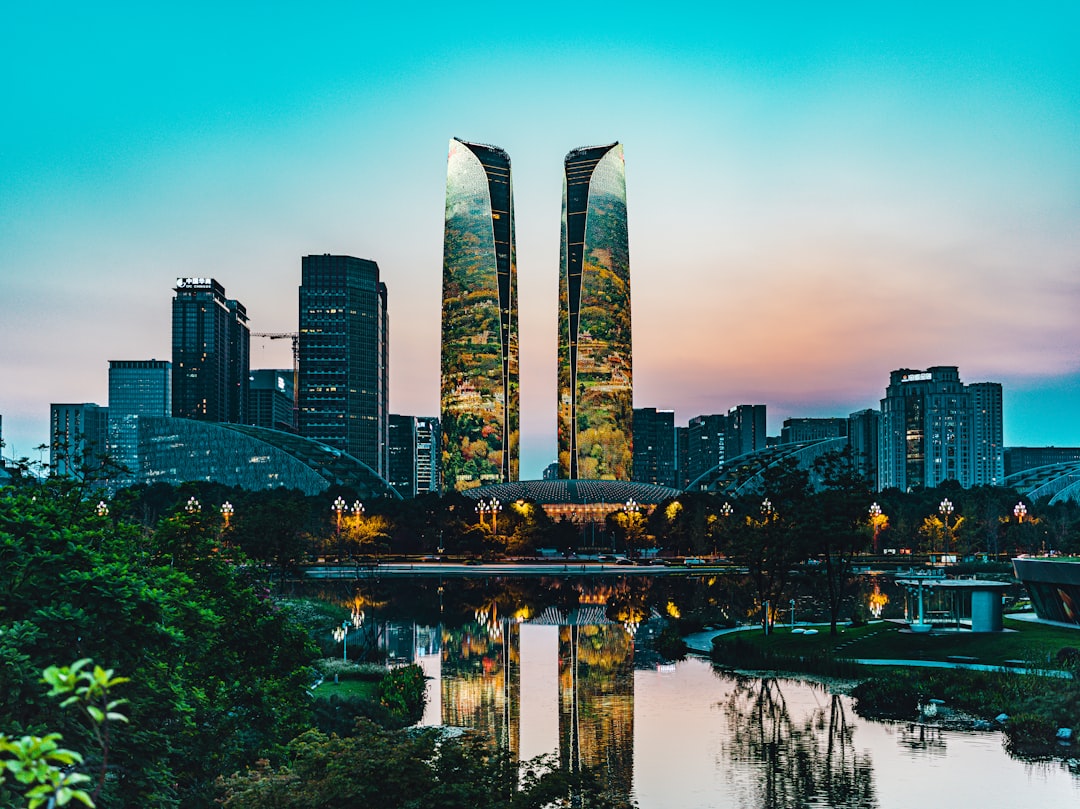
🧭 TL;DR — the honest bottom line
Here's what nobody tells you before you come: Chengdu is the easiest place on earth to fall for China. It's the city where you'll wander home alone at 2am without a second thought, where a brilliant night out costs less than two cocktails back home, and where many passports now get in visa-free. Pandas at dawn, numbing-spicy hotpot, a 100-year-old teahouse where a master cleans your ears with a tuning fork, an opera star who changes his face in a blink. Give it 3–4 days (5 with day trips) and you'll leave plotting your return.
Two things to do before you fly: set up an eSIM (so Google and WhatsApp work) and bind a card to Alipay (so you can pay for anything). Sort those two and the rest of this guide is just the fun part.
No time to read all of this? Tell us your dates and we'll build your Chengdu plan for you — on WhatsApp, real humans. (One message, no obligation.)
Message us →📌 This guide is long because it's complete — use the menu to jump. Everything below is named, priced, and verified June 2026; we flag anything that drifts so you can double-check the load-bearing details.
Before You Go
🛂 Do You Need a Visa for Chengdu? — Visa-Free Entry Explained
Here's the headline most travel sites bury: China spent the last two years quietly becoming one of the easiest big countries in Asia to walk into. Two routes cover almost everyone reading this, and which one you use comes down to one thing — what color your passport is.
| Route | Who it's for | Max stay | The catch |
|---|---|---|---|
| 30-day visa-free | 50 countries — most of Europe, Australia, NZ, Japan, Korea, and UK + Canada (added 17 Feb 2026); Singapore, Thailand & Malaysia get 30 days via mutual exemption | 30 days | Ordinary passport valid for your whole stay (airlines often ask for 6 months). Tourism/business/visiting friends — no onward-ticket rule. |
| 240-hour (10-day) transit | 57 countries incl. the USA, Brazil, Mexico, Indonesia | 10 days | You must hold an onward ticket to a third country/region and enter via an approved port. |
✓ verified Oct 2026 Lists shift often — reconfirm your nationality on the official site before booking.
🇺🇸 Americans, read this carefully — it trips people up
US citizens are not on the 30-day visa-free list, but they are on the 240-hour visa-free transit list. To use it, you must meet the policy's conditions, including entry through an approved port and a confirmed onward ticket to a third country or region different from your departure country or region. The trick is the word transit. China has to believe you're passing through to somewhere else — so you need an onward flight booked out of mainland China to a third country or region before you land. Easy third stops from Chengdu: Seoul, Bangkok, Singapore, Tokyo. The official notices say only "a third country or region", and none of the official pages we read names Hong Kong or Macao either way; reading them as qualifying is an inference, not an official rule. If your plan depends on it, confirm with your airline or the National Immigration Administration's 24-hour hotline, +86 12367 (English available), before you book. Land in Chengdu → spend up to 10 days → fly onward.
Both Chengdu airports — Tianfu (TFU) and Shuangliu (CTU) — are officially approved 240-hour transit ports, and the 240h window now lets you move across provinces, within each province's permitted area (so a Chengdu → Xi'an → Chongqing loop is fine inside the 10 days).
Two things that quietly sink people
① The 240 hours don't start when you land — they start at 00:00 the next day (GMT+8), so your arrival day is a freebie. ② "Third country" means different from where you came from — a US→Chengdu→back-to-US ticket does not qualify; you must exit to somewhere else first.
Policy and country lists shift — always reconfirm your nationality on the official en.nia.gov.cn before you book the flight.
🗓️ Best Time to Visit Chengdu
Aim for April or October — that's the sweet spot, full stop. Mild, dry, pandas active, and you dodge both the sweat and the crowds.
| Season | Months | Temp | The real story |
|---|---|---|---|
| 🌸 Spring (best) | Apr–May | 12–26°C | Dry, green, pandas lively. Book ahead — locals know it too. |
| ☀️ Summer | Jun–Aug | 28–35°C | Hot, humid, sticky. Hotpot in 35°C is a commitment. Heavy short rains. |
| 🍁 Autumn (best) | Sep–Oct | 15–27°C | The other golden window. Clear-ish skies, comfortable. |
| 🌫️ Winter | Dec–Feb | 5–12°C | Grey, damp, rarely freezing. Pandas love the cold = very active. Pack a real layer. |
Avoid Chinese public holidays if you can — Labour Day (early May), National Day / Golden Week (1–7 Oct), and Spring Festival (late Jan/Feb) turn every panda enclosure and teahouse into a shoulder-to-shoulder scrum. The shoulder weeks on either side are bliss.
✈️ How to Get to Chengdu: Airports & High-Speed Rail
Chengdu is one of western China's great hubs — two international airports and a high-speed rail network that makes day trips and onward cities effortless.
The two airports — don't mix them up
- Tianfu International (TFU) — the big newer one, southeast of the city. Most international long-hauls land here. Into town via Metro Line 18 → Chengdu South Railway Station, ~35 min express, ¥10.
- Shuangliu International (CTU) — the older airport, much closer to the center. Into town via Metro Line 10, ~45 min, ¥2–8 depending on stop (operates ~06:00–23:00).
Connecting between the two airports? That's what Metro Line 19 is for — it links TFU and CTU directly for ¥12, ~30 min on the express run (regular service ~50 min). A lifesaver if your inbound and outbound are at different airports.
Onward by high-speed rail — Chengdu is a hub
Book trains on the official 12306 website (English version) or at the station with your passport — more in Part 4.
Heading to Tibet? Chengdu is the main air gateway to Lhasa (~2h25m by air) — but foreigners need a Tibet Travel Permit and a licensed guide, so read the Lhasa guide before you book anything.
Heading north to Jiuzhaigou and Huanglong? Both parks are in Aba Prefecture, outside Sichuan's 240-hour transit area, so read that guide before you book.
💴 Chengdu Travel Budget: What It Costs (per day, excluding flights)
China is going to feel cheaper than you expect — especially for what you get. Rough daily budgets:
| Style | Per day (ex-flights) | What that buys you |
|---|---|---|
| 🎒 Backpacker | ¥200–350 (~$28–49) | Hostel dorm/budget room, street food + noodle shops, metro everywhere |
| 💺 Mid-range (most people) | ¥350–700 (~$49–98) | Comfortable 3–4★ hotel, sit-down restaurants, Didi when you're lazy, a few paid sights |
| ✨ Comfort | ¥800+ (~$112+) | 5★ hotel, private guide, fine dining, a face-changing opera with the good seats |
The single biggest budget lever isn't your hotel — it's how you eat and move. Hotpot with locals and metro/Didi instead of taxis keeps you firmly in the mid-range while living very well. (~¥7.1 = $1 as of Jun 2026; rates drift.)
Sources — Part 1 (verified June 2026)
Visa & 240h transit: en.nia.gov.cn (National Immigration Administration — unilateral visa-exemption list updated 17 Feb 2026; 30-day policy valid through 31 Dec 2026 for most countries; 240-hour transit policy (NIA, 20 Aug 2026), 57 nationalities, 65 ports incl. Chengdu TFU + CTU); cross-checked chinadiscovery.com & windhorsetour.com 2026 guides.
Airports & metro: chinaairlinetravel.com, travelchinaguide.com, chinadiscovery.com (Line 18 ¥10/~35min; Line 10 ¥2–8/~45min; Line 19 ¥12/~30min).
High-speed rail: travelchinaguide.com, chinadiscovery.com (Chengdu↔Chongqing <1.5h; Chengdu↔Xi'an ~3.5–4.5h).
Budget / climate: numbeo & climate-data.org Chengdu, 2026.
Arrival & Essentials
The three things that turn China from "intimidating" into "effortless." Do the first two before you fly — fifteen minutes at home saves you a stressful first hour at the airport.
📱 Internet & VPN in China: Get an eSIM before you fly
Let's be blunt about the thing everyone whispers about: mainland China blocks Google, Instagram, WhatsApp, Gmail, and most Western apps. Your normal SIM will roam onto a Chinese network and hit that same wall.
The clean, legal, no-drama fix: an international travel eSIM that routes your data through a server outside the mainland — so Google Maps, WhatsApp, Instagram, all of it just works, with no separate VPN to fiddle with. You install it as a second line; your home number stays for calls/texts.
| eSIM | Best for | VPN? | The honest take |
|---|---|---|---|
| Nomad | Multi-city + high-speed rail | No | The most stable when you're moving — survives tunnels, train Wi-Fi gaps, city-hopping. Top pick if Chengdu is one stop on a bigger trip. |
| Airalo | One or two cities, budget | No | The most popular, cheapest, dead-simple. Plenty for a city-based Chengdu trip. |
| Holafly | Heavy data users | No | Unlimited data plans + 24/7 support. Great if you stream/hotspot — check the fair-use cap. |
| Saily | Privacy-minded | No | By the NordVPN team, strong privacy. Solid for fixed-data plans. |
How it actually goes: buy online → you get a QR code by email → scan it to install (takes 2 min) → leave it off until you land → flip it on as the plane taxis in, and you're online before you reach baggage claim. Only needs an email — no Chinese ID, no registration. Buy it at home on your own Wi-Fi; do not count on installing it after you land, because activation pages can themselves be behind the wall.
One phone really does replace everything
Wallet, keys, train tickets, translator, tour guide, metro card, bike unlock, dinner orders, museum tickets — all collapse into one phone the moment you're set up. Most people pay by phone these days, though cash is still legal tender. Get your eSIM + Alipay sorted and you operate exactly like a Chengdu native by day two.
More on this: China Essentials — paying with Alipay & WeChat →💳 How to Pay in China: Alipay & WeChat for Foreigners
Most people pay by phone, but cash is still legal tender: since 1 February 2026, staffed businesses must accept it. Keep some small notes as a backup (is cash accepted in China?). Don't count on foreign cards at small shops; bigger hotels, malls and major sights are more likely to take them. The great news for 2026: Alipay and WeChat Pay both take a foreign Visa/Mastercard directly, no Chinese bank account needed. Do this at home before you fly — identity verification is smoother on your home connection, and you want it working the second you land.
Set up Alipay (your main wallet)
- Download Alipay from your app store and register with your home mobile number (you'll get an SMS code).
- Open "Cards" → "Add Bank Card" and enter a real Visa or Mastercard. ⚠️ Use a normal physical credit/debit card — prepaid and virtual/online-only cards are frequently rejected. This is the #1 reason setup fails.
- Complete passport verification (photo of passport + a quick selfie). Approval is usually minutes.
- Add a small backup: download WeChat Pay and bind a second physical card the same way — handy if one card ever gets declined.
The limits & fees you need to know ✓ verified Jun 2026
| Figure | |
|---|---|
| Payments under ¥200 | Fee-free (0%) |
| Payments over ¥200 | ~3% service fee |
Alipay and WeChat Pay set spending limits for foreign cards — see Essentials. Check your current limit in the app.
The practical read: the under-¥200 fee-free rule covers the vast majority of what you'll buy — street food, metro, coffee, taxis, snacks. The ~3% only bites on bigger hits like a hotel or a fancy dinner. Still, carry some cash and a second physical card as a fallback — rare, but cards do occasionally get declined.
🚕 Getting Around Chengdu: Metro, Didi & Airport Transfer
Chengdu's metro is clean, fast, English-signed, and absurdly cheap; Didi (China's Uber) fills every gap. Here's how to get from the gate to your hotel, ranked.
From the airport into town
| From | Option | Time | Cost | When to pick it |
|---|---|---|---|---|
| Tianfu (TFU) | Metro Line 18 express → Chengdu South | ~35 min | ¥10 | Default. Fast, cheap, beats traffic. |
| Tianfu (TFU) | Didi to your hotel | 50–70 min | ¥120–200+ | Late arrival, heavy bags, or far from a metro stop. |
| Shuangliu (CTU) | Metro Line 10 → city | ~45 min | ¥2–8 | Default — CTU sits right on Line 10. |
| Shuangliu (CTU) | Didi to your hotel | 30–50 min | ¥40–80 | CTU is close in, so Didi is cheaper here than from TFU. |
| TFU ↔ CTU | Metro Line 19 express | ~30 min | ¥12 | Connecting between the two airports. |
Riding the metro: open Alipay → search the "Metro" / 乘车码 mini-program → scan the QR at the gate to enter and exit (it auto-charges ¥2–10 by distance). No need to buy a physical card. Trains run roughly 06:00–23:00.
Using Didi (set it up before you fly — it takes ~10 min): Didi has a full English app, takes foreign Visa/Mastercard (or link Alipay/Apple Pay), and you register with your home phone number — no Chinese SIM or bank needed.
- At airports and big stations, don't book from inside the terminal — walk to the signed 网约车 (wǎngyuē chē) ride-hailing pickup zone first; the app even shows step-by-step photos of the walk. Expect a small platform/pickup fee of ¥5–15 on top of the fare.
- The chat has a built-in English↔Chinese translator. When the driver arrives, they'll ask for the last 4 digits of your registered phone number to confirm it's you — just show them your screen. The app shows the fare estimate before you confirm, surge included.
"Wait — China is THIS safe?"
You are 2×+ more likely to be robbed in San Francisco or Chicago than in a major Chinese city. Women routinely walk home alone past midnight; with dense CCTV, opportunistic street crime barely exists. Chengdu in particular is one of the most relaxed, easygoing cities in the country — late-night noodle runs and solo 2am Didi rides are completely normal.
Sources — Part 2 (verified June 2026)
eSIM: unusualnomad.com, traveltomtom.net, cybernews.com (China eSIM tests 2026 — Nomad most stable, Airalo cheapest, all route offshore / no separate VPN).
Alipay limits & fees: realchinatrip.com, trip.com, ltl-school.com (<¥200 fee-free · ~3% above; prepaid/virtual cards often rejected; confirm limits in-app).
Didi & metro: trip.com, wise.com, chinasurvivalkit.com, chinaguidelines.com, sinotales.com (English app, foreign cards, 网约车 pickup zone, ¥5–15 platform fee; metro QR via Alipay).
Things to Do in Chengdu
Pandas at dawn, numbing-spicy hotpot, riverside live music, a 100-year-old teahouse, a master cleaning your ears with a tuning fork. Everything below is named, priced, and verified June 2026 — walk in and do it, no second tab needed.
🐼 Chengdu Panda Base: Tickets, Best Time & How to Visit — the dawn play

The base publishes no feeding timetable, but a morning ticket gives you the most time inside — so yeah, dawn mission, worth it. This is the reason most people fly to Chengdu: ~80 giant pandas (plus red pandas) in a leafy, semi-wild park 10 km north of downtown. Get it right and you get the golden ten minutes where it's just you, cool air thick with bamboo, and one panda inhaling breakfast — before the first tour flag goes up. Get it wrong and you're shuffling shoulder-to-shoulder with the tour groups at midday. Here's how to get it right.
The dawn run, step by step
- Set a 6:00 alarm. Non-negotiable. The whole magic is being early.
- Taxi or Didi to the South Gate (南门 / nán mén) — the base estimates a taxi from Chunxi Road at about ¥40 and 25–35 min. Tell the driver "Xióngmāo Jīdì nán mén" or just show the Chinese characters.
- Be in the queue by 7:15. Gates open 7:30 (peak season; off-season 8:00).
- Walk in fast and head for the far enclosures first (see route hack below).
Booking — up to 14 days ahead
Everyone except visitors aged 60 and over, and children aged 6 or under (or under 1.3 m), must book online under their real name. You can book up to 14 days ahead, a passport works as your ID, and the name must match exactly. Ticket ¥55. If you truly can't pay online, the on-site windows sell tickets while any remain, so don't count on it. Book through the base's own WeChat account or mini-program, or an authorised platform such as Trip.com. The official rules are in our Chengdu Panda Base tickets guide.
Getting there — pick your trade-off
| Method | Cost | Time | When to pick it |
|---|---|---|---|
| Taxi / Didi (best for dawn) | ~¥40 (the base's taxi estimate from Chunxi Road) | 25–35 min | You're going at 6am — metro isn't running early enough, and door-to-gate beats fiddling with a shuttle. |
| Metro Line 3 → Panda Avenue (熊猫大道), Exit A + shuttle bus 408 | ~¥6 total | ~60–75 min | Daytime, budget, you don't mind the transfer. |
| Tour-bus day trip | ¥150+ | half day | You want zero logistics and English narration. |
The route hack that beats the crowds: Everyone piles into the South Gate enclosures first. Don't. Take the official sightseeing bus (¥30; children aged 6 and below or under 1.3 m ride free with no seat occupied, and each adult may carry only one free-admission child on their lap) deep into the park and start with the Moonlight Nursery (月亮产房) and Sunshine Nursery (太阳产房) — fewest people, most active cubs, especially Aug–Sep when the babies are tiny and ridiculous. Then walk back downhill through the rest as the tour groups are only just arriving. Budget 2.5–3 hours total.
Don'ts (learned the hard way): No flash photography, no feeding, and never go on a Chinese public holiday (National Day week in early Oct, Labour Day in early May) — it's a sea of people and the magic evaporates.
Want pandas and personal space? Read this first.
Heads-up ✓ Jun 2026: the Dujiangyan Panda Base closed for renovation on 23 Apr 2026 — reopening TBD, so its paid "panda keeper" volunteer program is on pause. Two calmer options still open: Panda Valley (熊猫谷) near Dujiangyan, and the larger Wolong Panda Base farther out (still runs keeper programs). Reconfirm on panda.org.cn before you build a day around it — and if in doubt, the dawn play at the main base is still the surest bet.
Want a private panda morning — car at your hotel by 6am, an English-speaking guide, and exactly how and when to book your tickets? Tell us your dates on WhatsApp.
Ask us →🏮 Top Things to Do in Chengdu — five anchors, ranked by when to go
Chengdu's "must-see" list is mercifully short and mostly free. Here's each one with the ticket, the hours, the exact metro exit, and the one thing worth your time.
Kuanzhai Alley (宽窄巷子) — free
Three parallel Qing-dynasty (1700s) lanes — Kuan (wide), Zhai (narrow), Jing (well) — restored into a walkable warren of grey brick, teahouses, snack stalls and street performers. It's touristy and it's still lovely.
- Ticket: Free. Open 24h (shops ~10:00–22:00).
- Metro: Line 4 → Kuanzhaixiangzi, Exit B — 60-meter walk.
- Insider: Go at dusk when the lanterns kick on and the day-trippers thin out. Skip the overpriced "ear-cleaning for tourists" here — do it properly at People's Park (below).
People's Park (人民公园) — free
Chengdu's living room: locals doing tai chi, ballroom dancing, the famous "marriage market" (parents advertising single kids on umbrellas), and the teahouse ritual that defines this city.
- Ticket: Free. Open ~6:00–22:00.
- Metro: Line 2 → People's Park, Exit B — 5-min walk.
- Insider: This is where you do the Teahouse Ritual (its own section below). Easily walkable from Kuanzhai Alley.
Wuhou Shrine + Jinli (武侯祠 + 锦里) — ¥50, two-for-one
Wuhou Shrine is China's most important Three Kingdoms (3rd-century) memorial, honoring strategist Zhuge Liang — serene halls, red walls, a bamboo-shaded museum. Your ticket also gets you into Jinli, the lantern-lit snack-and-souvenir street glued to its eastern wall.
- Ticket: ¥50 (Jinli access included; Jinli is also free to enter on its own from the street).
- Booking: The museum sells tickets by real-name online booking, released 14 days ahead. Its English ticket page says foreign visitors can book with a passport on the museum's official website or official WeChat account (payment by WeChat or Alipay only; if you can't use either, you can buy in cash at the on-site service window with your passport). For the 2026 May Day holiday the museum announced online-only booking, and said that once a day's tickets are full you can't book on site either. At holiday times, book ahead rather than counting on the window.
- Hours: 8:00–20:00 peak (May–Oct); 8:00–18:30 off-season. Ticket sales stop 1h before close.
- Metro: Line 3 → Gaoshengqiao (高升桥), ~10–15 min walk.
- Insider: Do the shrine in late afternoon, then spill into Jinli after dark when the lanterns are lit and the street-food stalls (try the 三大炮 sān dà pào sticky-rice "cannonballs") are in full swing.
Wenshu Monastery (文殊院) — free
Chengdu's finest working Buddhist temple — incense smoke, chanting monks, a gorgeous garden, and a tea garden + vegetarian hall where locals actually hang out.
- Ticket: Free. Open ~8:00–17:00.
- Metro: Line 1 → Wenshuyuan, Exit K — ~100 m north.
- Insider: Have the vegetarian lunch in the on-site hall, then a slow cup in the leafy tea garden. The most peaceful hour you'll spend in the city.
🍲 What to Eat in Chengdu: Hotpot & Sichuan Food — a foreigner's field guide
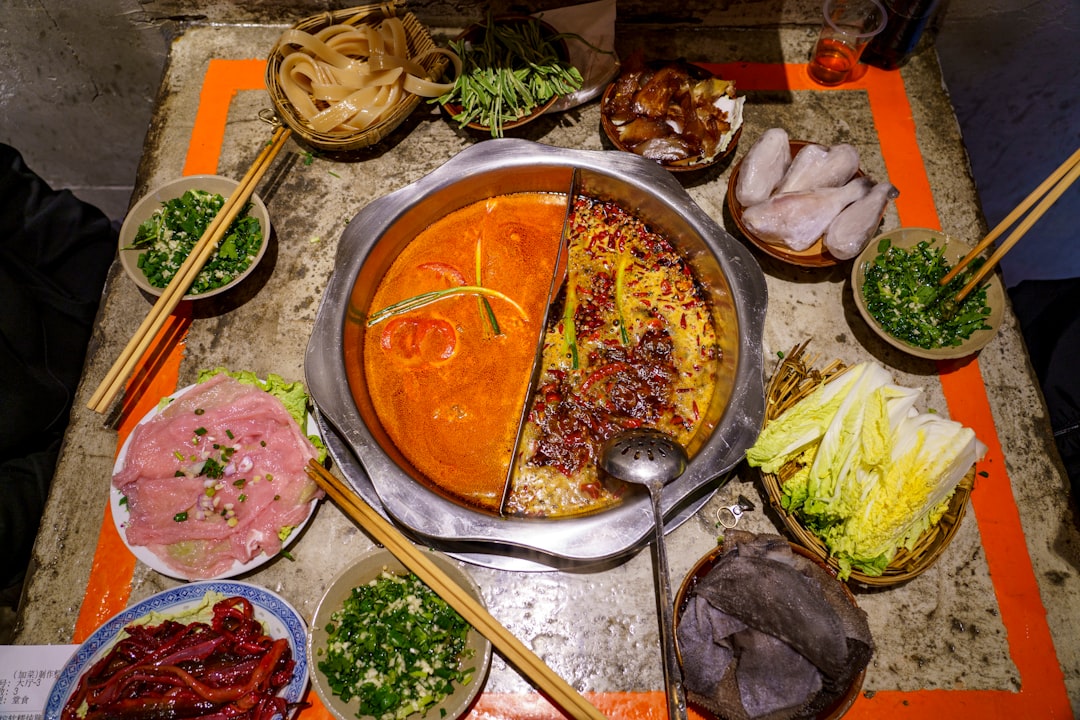
Chengdu is a UNESCO City of Gastronomy and ground zero for málà (麻辣 — the "numbing-spicy" tingle of Sichuan peppercorn). You will eat extraordinarily well, and you will not embarrass yourself if you read this section.
Hotpot is the main event — how to actually eat it
Hotpot (火锅) is the dish everyone comes for: a simmering cauldron of beef-tallow broth at your table, into which you cook raw ingredients yourself. The ritual, decoded:
- Order a split pot (鸳鸯锅 / yuān yāng guō). Half fiery málà, half mild bone or tomato broth. Spice-shy diners cook on the mild side; this is normal, nobody judges.
- Build your dip (蘸料 / zhàn liào). The classic Chengdu move is sesame oil + minced garlic (麻油蒜泥) — it coats and cools the food. Skip the northern peanut-sesame paste; that's a Beijing thing.
- Cook by the clock. Locals are religious about timing:
- Máodǔ (毛肚, beef tripe) — swish 15 seconds ("七上八下" — seven dunks up, eight down), eat crisp.
- Yācháng (鸭肠, duck intestine) — 10 seconds, crunchy.
- Thin-sliced meat — a few seconds; leafy veg & tofu — a couple of minutes.
- Pay by scanning the table QR (Alipay/WeChat) — no flagging a waiter, no check. Say "mǎi dān / 买单" if you want a human.
Where to eat hotpot — three real options
| Restaurant | Vibe | Per person | Where / Metro |
|---|---|---|---|
| Shu Da Xia (蜀大侠) | Chengdu-born chain, kung-fu theme, servers slice meat tableside — fun for first-timers | ¥100–150 | 93 Dongsheng St, Jinjiang (near Chunxi Rd) |
| Xiaolongkan (小龙坎) | The brand that put Chengdu hotpot on the national map; reliably excellent broth | ¥82–105 | Chunxi branch: 2F Tulip Plaza, 36 Lower East St — open 11:00–03:00 |
| A neighborhood 苍蝇馆子 | The unbranded "fly restaurants" in Yulin — cheaper, grittier, often better | ~¥70–90 | Wander Yulin (玉林) lanes; pick the packed one |
Budget reality: Chengdu hotpot runs ¥70–90/pp budget, ¥120–160 mid-range. For two people splitting a split pot at a chain, plan ~¥200–280 total.
Too intense? The gentler Sichuan canon
- Mào cài (冒菜) — "hotpot in a bowl": pick your raw ingredients, cooked in málà broth, served as one bowl. Solo-friendly, ~¥25–40. Look for Gōngshè Màocài (公社冒菜) or any busy local chain.
- Chuàn chuàn xiāng (串串香) — DIY skewers boiled in málà broth, ¥1–5 per stick, billed by the count. Yulin is skewer heaven — Yulin Chuanchuan Xiang on Yulin West Rd, or Ma Sanlang (马三嫂) for freshness.
- Fūqī fèipiàn (夫妻肺片) — cold sliced beef & offal in chili-Sichuan-pepper oil; the name literally means "married couple's lung slices," invented here in the 1930s. A plate ~¥27.
- Lóng Chāo Shǒu (龙抄手) — silky Sichuan wontons in chili-oil broth, at the flagship: No. 68, South Section of Chunxi Rd (Metro Line 1, Chunxi Rd). The same institution serves Zhōng dumplings (钟水饺) — order both.
- Dàn dàn miàn (担担面) — the original "carrying-pole noodles": chewy noodles, sesame-bean sauce, chili oil, minced pork. A bowl ~¥15–27.
- Sān dà pào (三大炮) — three sweet glutinous-rice balls slammed onto a drum-board (the "three cannons"), rolled in soybean flour and syrup. Best from the Jinli / Kuanzhai street stalls.
For the brave: rabbit heads
Chengdu's most notorious snack. Old Maid's Shuangliu Rabbit Head (双流老妈兔头) is the name — málà or "five-spice" (五香), about ¥8–9 per head. You suck the spiced meat off the skull; locals are obsessed. Order one, take the photo, decide for yourself.
You'll struggle to spend more than ¥80 on a great meal
A bowl of dan dan noodles is ¥15. A heaping plate of fuqi feipian is ~¥27. A full skewer blowout at a Yulin chuan chuan joint rarely cracks ¥70 a head. Chengdu's best food is its cheapest food — the unbranded "fly restaurants" (苍蝇馆子) that locals queue for. You could eat like a king here for a week on what one fancy dinner costs back home.
🌃 Chengdu Nightlife: Bars, Live Music & Clubs — After Dark
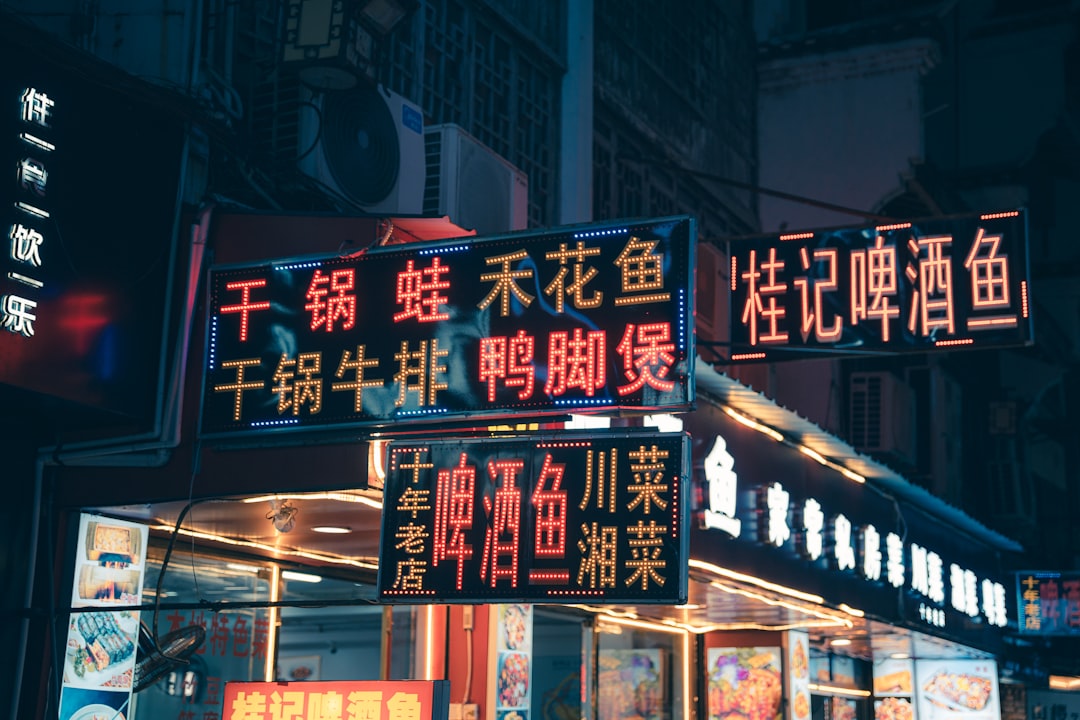
Here's the thing nobody tells foreigners: Chengdu nights are wildly fun, genuinely safe, and cheap. The city basically invented China's modern indie-music scene, and you can roll home alone at 3am without a second thought. Pick your scene:
Jiuyanqiao (九眼桥)
20+ riverside bars, resident folk/pop singers all night. The all-ages "authentic Chengdu night out."
Drinks ¥60–120Yulin (玉林)
Soul of the scene — the legendary Little Bar (小酒馆) + dense craft-beer taprooms.
Gigs ¥50–150LKF & 339
Riverside bars, rooftops + world-class EDM megaclubs (Space, Playhouse) under the TV tower.
Per-head ¥80–150The scenes, in detail
- Jiuyanqiao (Nine-Eye Bridge) — a neon strip of 20+ bars along the Jin River, most with resident folk/pop singers all night. Start here on night one. Drinks ¥60–120. Metro Line 13 → Jiuyanqiao (opened Dec 2025), or Line 2 to Dongmen Bridge, ~10 min walk.
- Yulin — the soul of Chengdu's music scene. Home of the legendary Little Bar (小酒馆) on Yulin West Road, cradle of Chinese indie rock since the late 1990s. Livehouse tickets ¥50–150. Craft beer next door: The Beer Nest (30+ beers, BOGO 2–8pm), Lazy Guys, Wild West Brewing.
- Lan Kwai Fong & 339 / TV Tower — Chengdu's LKF is 18× the size of Hong Kong's original, with world-class EDM megaclubs (Space, Playhouse). Club per-head ¥80–150. For chill instead: Jah Bar (riverside reggae, house-made pineapple beer) or Matrix Taproom by Jiuyanqiao.
The practical bits
Beer prices: craft beer ¥30–50, happy hour ¥20–30, a neighborhood pub pint ~¥34. Dress code: a T-shirt gets you into 90% of places, clubs included — leave the blazer. Getting home: Didi runs 24/7 (the metro stops ~23:00), ¥15–40 across town.
A big night out here costs less than two cocktails back home — and you'll walk home safe at 3am
Live music + river views at Jiuyanqiao, ¥35 craft beers, an indie gig in Yulin for ¥80, and a ¥30 Didi home at 2am with zero worry. Women routinely head home alone past midnight here. The "China is expensive / sketchy after dark" assumption is just flat wrong — Chengdu is one of the safest, most fun-after-midnight big cities anywhere.
Want a local to take you bar-hopping in Yulin or Jiuyanqiao — no tourist traps, just the real spots? Ask us on WhatsApp.
Ask us →🍵 Chengdu Teahouses & Tea Culture — the city's true soul
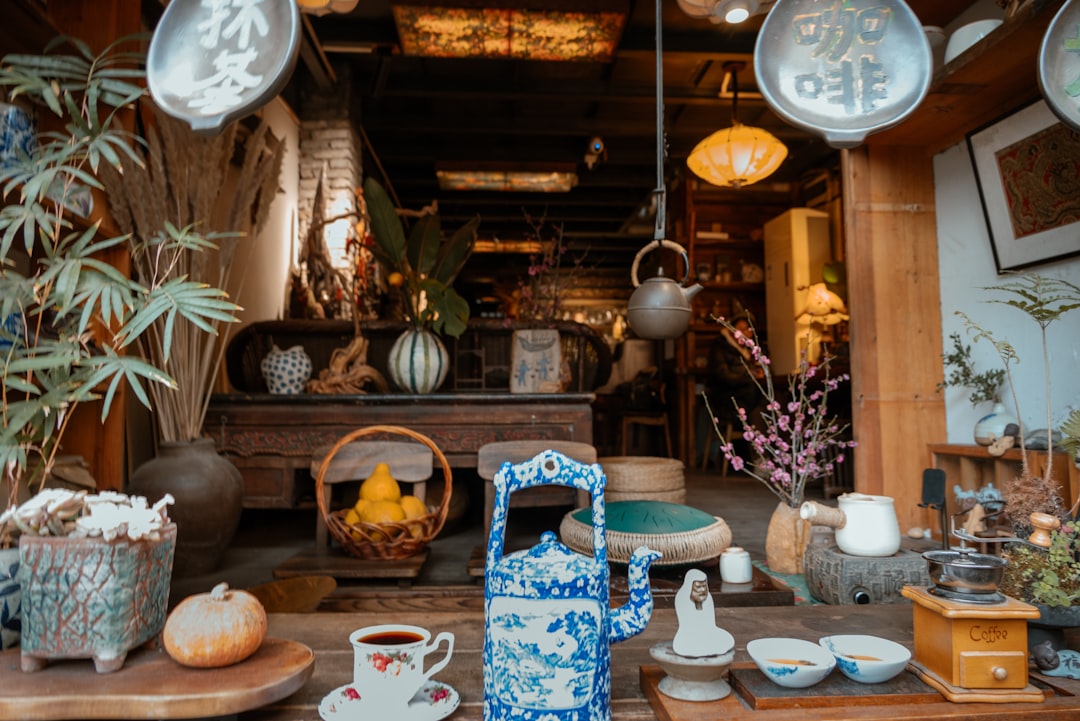
If pandas are why you come, the teahouse is why you'll want to stay. This is the single most "Chengdu" thing you can do, and it costs almost nothing.
Heming Teahouse (鹤鸣茶社) has poured tea inside People's Park since 1923. You grab a worn bamboo chair under the trees, order a covered cup (盖碗 / gàiwǎn) of jasmine or green tea — ¥18–30 — and then you just… exist. Refills are free; nobody rushes you. Around you, locals are:
- Playing mahjong and cards for hours (the clack of tiles is the city's soundtrack),
- 摆龙门阵 (bǎi lóng mén zhèn) — Chengdu slang for endless, gossipy chit-chat,
- and getting their ears cleaned.
Try the ear-cleaning (采耳 / cǎi ěr). A roaming master taps a tuning-fork against a set of delicate picks and feathers, then gently cleans and tickles your ears while you sip — a weirdly blissful, ASMR-grade Chengdu institution. Roughly ¥30–50 per session at the park; agree the price before they start.
💆 Massage, Foot Spa & Wellness in Chengdu (+ a face-changing opera)
Chinese massage and foot spas are absurdly good value — a long, skilled treatment costs a fraction of Western prices, and Chengdu runs ~20–30% cheaper than Shanghai for the same thing. This is a nightly ritual, not a once-a-trip splurge.
| Treatment | Price range | Notes |
|---|---|---|
| Foot massage (足疗) | ¥60–150 | The classic after a day of walking; often includes a leg/shoulder add-on |
| Herbal foot soak (泡脚) | ¥25–60 | Soak in medicinal herbs first |
| Full-body Tuina (推拿, 60–90 min) | ¥150–300 | Deep, therapeutic; not a "spa" rubdown |
| Ear-cleaning (采耳) | ¥30–50 | Standalone or part of a foot-massage combo |
How to find a good one: the reliable move is Dianping (大众点评) or Meituan (美团) — filter by rating, browse photos, pre-pay a deal. Locals swear by 盲人按摩 (blind-masseur) parlors for technique. Walk-in neighborhood shops are everywhere; if it's busy with locals, it's good.
A 90-minute full-body massage costs about the same as one Western cocktail
Back home, a proper hour-long massage runs $80–120. In Chengdu a 90-minute deep-tissue Tuina is ¥150–300 — and a basic foot massage starts at ¥60. Locals do this casually, several times a week. Build a nightly foot massage into your trip; your panda-dawn legs will thank you.
See a face-changing opera (变脸)
The other unmissable Chengdu night: Sichuan Opera (川剧) and its signature bian lian / 变脸 face-changing — performers flip painted silk masks in a literal blink, plus fire-spitting, hand-shadow puppetry and comedy.
- Where: Shufeng Yayun (蜀风雅韵), the city's best-known opera teahouse, at No. 32 Qintai Road, Qingyang District (inside Chengdu Culture Park).
- Show time: Nightly 20:00–21:30 (~90 min).
- Tickets: Reserved seating; premium seats ~¥180, cheaper tiers available — tea service at bamboo tables is included. Book ≥2 hours ahead and collect 30 min before.
- Insider: Pay up for a front-ish seat — the face-changing is the whole point and you want to (fail to) catch the trick up close. Pair it with an early Jinli dinner since they're both west-side.
Want a face-changing opera night planned — which show and how to book good seats, dinner nearby, car there and back? Message us on WhatsApp.
Message us →Sources — Part 3 (verified June 2026)
Attractions & food: panda.org.cn · Trip.com (Wuhou Shrine, Kuanzhai, Wenshu, Shu Da Xia, Long Chao Shou, Shufeng Yayun) · chinadiscovery.com (hotpot costs & venues) · tripadvisor.com (Xiaolongkan Chunxi) · chengdu-expat.com (craft beer, chuan chuan, rabbit head, Jah Bar) · wanderinchina.com (nightlife venues & prices) · chinawondersguide.com (Lan Kwai Fong, livehouse, People's Park) · urbanchinatravelogue.com (Heming Teahouse, fuqi feipian) · massageprices.com & chinahighlights.com (wellness pricing) · Wikipedia (Chengdu Metro Line 13) · theworldofchinese.com (rabbit head).
Prices and hours shift on Chinese public holidays — confirm the load-bearing ones on Dianping or the official page before you commit.
Day Trips from Chengdu
A 1,200-year-old Buddha carved into a cliff, a 2,000-year-old waterworks that still irrigates the plain you're standing on, and a sacred 3,000m peak above a sea of clouds. All three are doable in a day, and all three cost less to reach than a taxi to the airport back home.
🚄 First, the train logic (read this once, it unlocks everything)
Almost every day trip below leaves from Chengdu East Railway Station (成都东站 / Chengdu Dong) — the main hub, on Metro Line 2, ~20–30 min from Chunxi Road. A few trains also run from Chengdu South and Chengdu West; the booking app sorts this for you.
How to actually get a ticket (the foreigner-proof version)
- Book on Trip.com or the official 12306 website (English version). Trip.com is smoother for non-Chinese IDs; 12306 is the source of truth and slightly cheaper.
- Book 1–2 days ahead for Leshan/Emei in peak season (Apr, Oct, weekends) — popular departures sell out. Dujiangyan you can usually walk up.
- Bring your physical passport — it's your ticket. Tap it at the gate (foreigner gates are marked; if the auto-gate rejects it, the staffed window waves you through in 10 seconds).
- Arrive 30 min early. Chinese high-speed stations are airport-sized; security + finding your platform eats time.
A bullet train across the province costs less than airport parking
Chengdu→Leshan, 41 minutes at 300 km/h, is ¥27–63 second class — roughly US$4–9. Emei, a sacred mountain an hour out, tops out around ¥74. China's high-speed network is the cheapest "wow" you'll buy on this trip.
More on this: China Essentials — getting around (rail, metro, Didi) →🗿 Leshan Giant Buddha Day Trip — the half-day that punches hardest
Bottom line: the single best day trip if you only have time for one. It's a 71-meter Buddha — feet the size of a tennis court, toenails you could sit on — carved into a red cliff over the confluence of three rivers, finished in 803 AD after 90 years of work. A monk named Haitong started it to calm the deadly river currents; he reportedly gouged out his own eyes to prove the project wasn't a scam for donations. It worked. A UNESCO World Heritage site, and genuinely jaw-dropping in person.
Getting there
- Train: Chengdu East → Leshan, 41 min fastest, second-class ¥27–63, ~67 departures/day from 06:15.
- Station → Buddha (10.5 km): Easiest — taxi/Didi ~¥44, ~40 min. Cheapest — public bus 3 or 601 to the scenic-area gate, ~1 hr, a few yuan.
Tickets: Scenic-area entry ¥80 (covers the cliff stairway + temples). Optional river boat ¥70 extra, bought at the dock. Open peak (Apr–Oct) 07:30–18:30; off-season 08:00–17:30. ✓ verified Jun 2026 — confirm season hours on the official scenic-area channel
The decision that makes or breaks your day — boat vs. climb
| What you get | Time | Catch | |
|---|---|---|---|
| 🚶 Climb the cliff stairs | The intimate, bottom-up view — standing at the Buddha's feet, looking up 71m. The real experience. | 2–4 hrs | The single-file Nine-Turn Plank Road down the cliff is the bottleneck — on busy days the queue to start descending runs 2.5–3.5 hours. |
| ⛵ River boat | The full front-on view of the whole Buddha from the water — the postcard shot — no stairs, no queue. | ~30 min | You never get close; it's a look, not a moment. |
Insider play (do this)
Take the earliest train you can stomach (06:15–07:00), be at the gate by opening, walk the stairs first while the morning crowd is still on the road from Chengdu. Then see the temples and Oriental Buddha Park first (2–3 hrs most day-trippers skip), and circle back to the Buddha viewpoint mid-afternoon when the tour buses have left — suddenly you get the shot without 1,000 heads in it.
Worth it? Unreservedly yes — if you go early. A badly-timed visit is 3 hours of sweating in a stairwell; a well-timed one is one of the most moving things in Sichuan. Budget a half to full day door-to-door.
💧 Dujiangyan & Qingcheng Mountain Day Trip — the underrated combo
Bottom line: the locals' favorite, and the one foreigners skip. Two UNESCO sites, 15 minutes apart, that you can pair into one easy day — and the closest, cheapest escape from the city.
Dujiangyan Irrigation System is the quiet genius pick. Built 256 BC — that's over 2,260 years ago — and still working today, watering the entire Chengdu plain without a single dam. Walk the swaying Anlan suspension bridge over the river divide and try to wrap your head around the fact that this thing has run continuously since before the Roman Empire. It's the reason Sichuan became China's breadbasket and the reason you're eating so well downtown.
Qingcheng Mountain is the cradle of Taoism — birthplace of the religion, lush, misty, layered with temples up a green peak. Locals' tagline: "Qingcheng is the most secluded under heaven." For a day trip, do Front Mountain (temples + pavilions); Back Mountain is a wilder nature hike.
Getting there & tickets
- Train: Chengdu → Qingchengshan / Dujiangyan on the dedicated tourist line, 19–62 min (fastest C-train 19 min!), fare ¥10–27, ~35 trains/day. The cheapest, fastest day trip on this list.
- Between the sites: from Qingchengshan rail station, local bus 101/101A (¥2) or a short taxi (~¥40–50).
- Dujiangyan Irrigation: ¥80, open Mar–Nov 09:00–18:00 / Dec–Feb 09:00–17:30.
- Qingcheng Front Mountain: ¥90 (Apr–Oct) / ¥60 (Nov–Mar). Optional cableway ¥35 one-way / ¥60 round-trip. Back Mountain is a separate ¥20 ticket.
The trade-off: you can cram both in one day if you start early (irrigation works in the morning ~2–3 hrs, Qingcheng Front Mountain in the afternoon ~3–4 hrs with the cableway). Tight but very doable on the 19-minute train. Budget a full day for the pair.
Heads-up on the cute pandas
The Dujiangyan Panda Base (the calmer, up-close panda alternative some guides — including ours, earlier — recommend) is temporarily closed for renovation since 23 April 2026, reopening TBD. Check panda.org.cn before you build a day around it; until it reopens, the main Chengdu Panda Base (Part 3) is your panda fix.
⛰️ Mount Emei (Emeishan) Day Trip — the big one (give it overnight, not a day)
Bottom line: spectacular, sacred, and too big to rush. One of China's Four Sacred Buddhist Mountains, topping out at 3,099m with a Golden Summit that floats above a literal sea of clouds — plus wild monkeys, ancient monasteries, and a sunrise people plan whole trips around.
Getting there & up
- Train: Chengdu East → Emeishan, 59 min fastest, second-class ¥33–74, ~54 departures/day.
- Station → mountain (~8 km to Baoguo Temple base): taxi ¥20–30, 10–15 min.
- Tickets: Mountain entrance ¥160 (peak, Apr–Nov) / ¥110 (off-season) — valid 2 days, which tells you everything about how big this place is. Inside, sightseeing buses ferry you up; the Golden Summit ropeway runs ¥65 up / ¥55 down.
The honest trade-off: Emei is only just a day trip and you'll regret rushing it. The magic — clouds parting at the Golden Summit at dawn — needs you on the mountain at sunrise, which means staying a night and doing a sunrise summit on day two. Pick Emei if you have 5+ days and can spare an overnight. Skip it if you've got 3 days and pandas-plus-Leshan already fills them.
🗓️ Chengdu Itinerary: 2, 3 & 5 Days — the points actually strung together
These plug straight into Part 3 (Pandas, teahouse, hotpot, nightlife) and Part 4 above. Times assume a central base (Chunxi Rd / Taikoo Li). Tap a day to open the hour-by-hour plan.
⏱️ 2 Days — the essential Chengdu
Day 1 Pandas, tea & old lanes
- 06:00Alarm. Taxi or Didi to the Panda Base South Gate (the base estimates about ¥40 and 25–35 min for a taxi from Chunxi Road). (Full panda playbook: Part 3.)
- 07:30–10:30Pandas, morning session. Hit the far Moon & Sunshine nurseries first, walk back as the crowds arrive.
- 11:30Back downtown. Lunch: Long Chao Shou or a Mao Cai bowl to ease into the spice.
- 13:00–15:30People's Park: claim a bamboo chair at Heming Teahouse, order a ¥15–30 gaiwan, get the famous ear-cleaning, watch the mahjong. Do nothing, beautifully.
- 16:00–18:00Stroll Kuanzhai Alley as the lanterns light up — snacks, tea, performers.
- 19:30Hotpot night (half-and-half pot if you're spice-shy). The main event.
- 21:30Optional nightcap at Jiuyanqiao riverside — live folk singers, ¥35 craft beer, Didi home whenever.
Day 2 Three Kingdoms, temples & a face-changing finale
- 09:30Wuhou Shrine (Three Kingdoms history) → walk straight out into Jinli Ancient Street for snacks.
- 12:30Lunch on Jinli (skewers / Chuan Chuan), then coffee.
- 14:30Wenshu Monastery — Chengdu's finest Buddhist temple, plus its calm vegetarian hall and a teahouse locals love.
- 17:00Back to hotel, reset, early dinner.
- 19:30Sichuan Opera face-changing (变脸) show — the can't-explain-how-they-do-it mask-swapping spectacle. Book a seat (Shufeng Yayun). A perfect last night.
⏱️ 3 Days — the sweet spot (add Leshan)
Days 1–2 As above
Run the 2-day plan exactly, but you can breathe — push the teahouse longer, add a 90-min foot massage (¥60–200, Part 3) on Day 1 evening before hotpot.
Day 3 Leshan Giant Buddha
- 06:45Train Chengdu East → Leshan (book the night before). 41 min.
- 08:00Taxi/Didi (~¥44) to the scenic area; be at the gate near opening.
- 08:30–11:00Walk the cliff stairs first (down the Nine-Turn Plank Road) before the bus crowds — Buddha's feet, the up-close awe.
- 11:00–13:30Temples + Oriental Buddha Park while the midday crowd clogs the stairs.
- 14:00Circle back for the crowd-free Buddha viewpoint shot. Optional ¥70 river boat for the full front view.
- 15:30Train back; downtown by late afternoon. Easy dinner, you've earned it.
⏱️ 5 Days — the full Sichuan
Days 1–3 The 3-day plan above
City essentials + Leshan, unrushed.
Day 4 Dujiangyan + Qingcheng Mountain
- 08:00Train Chengdu → Qingchengshan/Dujiangyan (19–40 min). Bus 101/101A or taxi to the irrigation works.
- 08:45–11:30Dujiangyan Irrigation System: the divide, the Anlan suspension bridge, 2,260 years of working engineering.
- 12:00Lunch near the Qingcheng gate.
- 13:30–17:00Qingcheng Front Mountain — temples up the misty peak; take the cableway (¥35 one-way) up, walk down.
- 17:30Train back; relaxed evening, maybe a craft-beer crawl in Yulin District.
Day 5 Slow Chengdu (or push to Mt. Emei)
Option A (slow): A pure eat-and-drift day — late breakfast, a long teahouse afternoon, a neighborhood you haven't seen (Yulin / Tongzilin), one more hotpot. This is how locals actually live, and it's the day people remember.
Option B (ambitious): Mt. Emei — but honestly, do it as an overnight (Day 5 up, Day 6 sunrise at the Golden Summit) rather than a rushed day trip. Only if your dates allow a 6th day.
Want this turned into a real plan — trains pre-booked, panda morning planned (we'll show you how to book it), a guide who knows which hotpot? Send us your dates on WhatsApp.
Send dates →🛏️ Where to Stay in Chengdu: Best Areas — with real price bands
No booking links, no commission — just where each type of traveler should sleep and what you'll actually pay. Rough nightly bands for a clean 3–4★ double, low/shoulder season — they spike in April, October, and holidays, so confirm live on your booking app.
| Area | Best for | Why here | Rough nightly band |
|---|---|---|---|
| 🛍️ Chunxi Rd / Taikoo Li | First-timers | Dead-center, walkable, two metro stations, the shopping + snack-street heart of town. Where I'd put a first-timer, full stop. | Budget ~¥380+; mid ~¥550–800; 4–5★ above |
| 🏛️ Tianfu Sq / People's Park | Sightseers & value | The literal city center — metro Lines 1 & 2 cross here, walk to People's Park & teahouses. Best price-to-location ratio. | From ~¥300; weekend avg ~¥540 |
| 🏮 Kuanzhai / Wenshu | Atmosphere & backpackers | Historic lanes and gorgeous courtyard hostels & boutiques. Quieter, characterful, great for solo/social. | Hostel dorms from ~¥65; courtyard boutiques mid & up |
| 🐼 Panda Base area | Families set on a dawn panda run | Walk-to-the-pandas convenience + panda-themed family rooms. Trade-off: far from downtown food/nightlife. | Higher / themed: ~$129–467 for popular family hotels |
My honest pick: stay Chunxi Rd / Taikoo Li or Tianfu Square and just taxi or Didi to the pandas at dawn (about ¥40 for a taxi, per the base's own estimate from Chunxi Road). You get a central base for everything else — food, tea, nightlife, trains — instead of marooning yourself by the panda base for a 3-hour morning. Only base at the Panda Base if you've got young kids and the themed rooms are the point.
"Central Chengdu, walk-to-everything" costs what a motel costs back home
A clean 4★ a 10-minute walk from Taikoo Li runs ~$52–110 a night. A bed in a gorgeous Qing-courtyard hostel is ~$9. You do not have to choose between "central" and "affordable" here — that trade-off just doesn't exist.
Sources — Part 4 (verified June 2026)
Trains/fares: travelchinaguide.com (Chengdu–Leshan–Emeishan; Chengdu–Dujiangyan–Qingchengshan), chinadiscovery.com, Trip.com / 12306, rome2rio.com.
Attraction tickets/hours: Trip.com travel-guide pages (Leshan Giant Buddha, Mount Qingcheng, Dujiangyan Irrigation System, Mount Emei), hi-leshan.com (official scenic-area), panda.org.cn (Dujiangyan Panda Base renovation closure).
Crowd tactics & transfers: chinadiscovery.com, wanderinchina.com, tripadvisor.com, chinaodysseytours.com, chinaairlinetravel.com.
Hotels / price bands: aggregated public nightly-rate ranges across major travel-booking platforms (June 2026).
Know Before You Go
🧠 Culture, money & health — the fine print
🤝 Culture shocks & etiquette (the 6 that trip up first-timers)
- No tipping. Anywhere. Restaurants, taxis, hotels, the ear-cleaning master — none of it. Trying to tip causes confusion, not gratitude.
- Carry your own tissues + hand sanitizer. Public restrooms (and many squat toilets) often have neither paper nor soap.
- You order by scanning a QR code at most restaurants — point your camera at the table sticker, a menu opens, you tap, you pay. (Menu's usually Chinese — Google Translate's camera, on your eSIM, reads it instantly.)
- Tap water is NOT drinkable — locals boil it or drink bottled. Every hotel room has a kettle and free bottles.
- Strangers may ask to take a photo with you — especially with kids. It's genuine friendly curiosity, not a scam. Smile, say yes or politely wave it off.
- Personal space & volume run differently — expect closer queuing, louder restaurants. It's cultural, not rude. Roll with it.
💰 What's dirt-cheap vs. surprisingly pricey
Absurdly cheap (spend freely):
- High-speed rail — a 40-min bullet train is ¥27–63.
- Massage & foot spas — ¥60–200 for 60–90 min.
- Food delivery & street food — a great meal for ¥20–40.
- Didi & metro — cross-town Didi often ¥20–40; metro ¥2–10.
- Night markets & teahouses — a gaiwan of tea + an afternoon = ¥15–30.
Surprisingly pricey (budget for it):
- Imported goods & Western groceries — that familiar shampoo or cheese costs a premium.
- Western food & brunch — a "normal" Western breakfast can cost more than three local meals.
- Specialty coffee — Chengdu's café scene is huge and not cheap; a flat white ¥30–45.
- Big-club bottle service & imported spirits — beer's cheap, a club table is not.
🚑 Emergencies & health (save these before you fly)
- Don't drink the tap water — bottled or boiled only. Your hotel kettle is your friend; ice in proper restaurants/cafés is fine.
- "My mouth is numb!" — that's the Sichuan pepper (huājiāo), not an allergy. The tingling-numbing effect (má) is normal and harmless. Milk/yogurt cuts the heat faster than water.
- Pharmacies (药店) are everywhere, well-stocked, cheap, no prescription for basics — point to the problem or show a translated note.
- Major hospitals (e.g. West China Hospital / Huaxi) have international/VIP desks. Travel insurance is strongly worth having.
❓ FAQ — straight answers to what everyone actually asks
Do I need a visa to visit Chengdu in 2026?
Probably not. 50 countries get 30 days visa-free (most of Europe, Australia, NZ, Japan, Korea; UK & Canada since 17 Feb 2026; Singapore, Thailand & Malaysia via mutual-exemption deals). Citizens of the 57 countries on the 240-hour list — including the US — can instead use the 240-hour (10-day) visa-free transit if they meet the policy's conditions, including entry through an approved port and an onward ticket with a confirmed date and itinerary, leaving within 240 hours for a third country or region different from their departure country or region (e.g. Seoul or Bangkok; whether Hong Kong or Macao counts is our inference, not an official rule, so confirm with your airline or the immigration hotline, +86 12367, before you book). Both Chengdu airports (TFU and CTU) are approved ports. Always confirm on the official en.nia.gov.cn before booking. (Full breakdown: Part 1.)
Will Google, WhatsApp, and Instagram work in Chengdu?
Not on local WiFi/SIM — but there's a clean fix. China blocks Google, WhatsApp, Instagram, etc. Install an international travel eSIM (Airalo, Nomad, Holafly, Saily) before you fly — it routes your data offshore, so all your apps just work, no separate VPN needed. Set it up at home; it activates the moment you land. (eSIM comparison: Part 2.)
Can I use Google Maps to get around?
Barely — even on an eSIM, Google Maps data in China is patchy and often wrong. Use instead: Apple Maps (works well), Didi's built-in navigation for rides, and Amap (高德) if you want what locals use. For walking, screenshots + your eSIM data get you there.
Can I really pay everywhere with just my foreign card?
Yes — via QR, not the card itself. Bind your Visa/Mastercard inside Alipay or WeChat Pay (do it before you arrive) and you scan-to-pay almost everywhere, from hotpot joints to street stalls to taxis. Don't count on foreign cards at small shops; bigger hotels, malls and major sights are more likely to take them. Keep some cash as backup. Alipay and WeChat Pay set spending limits for foreign cards — see Essentials. Expect a ~3% fee above ¥200. (Setup steps: Part 2.)
How many days do I need in Chengdu?
3–4 days for the city itself (pandas, teahouse, hotpot, nightlife, the classic streets). 5 days if you want to add day trips — Leshan on day 3, Dujiangyan + Qingcheng on day 4. Add a 6th overnight day if Mt. Emei's sunrise is a must.
Is everything in Chengdu painfully spicy?
No — you control the heat. Hotpot comes as a half-and-half pot (one mild, one spicy side), and plenty of Chengdu food isn't spicy at all: sweet San Da Pao rice cakes, Zhong dumplings, dan dan noodles you can order mild, soups, teahouse snacks. Magic phrases: "wēi là / 微辣" (mild) or "bú yào là / 不要辣" (no spice). You can eat brilliantly here spice-free.
Is Chengdu safe at night — especially for solo women?
Extremely. Chengdu is among the safest big cities in China — well-lit, busy late, blanketed in CCTV, and with virtually no street crime. Women routinely walk home alone past midnight. You'll feel safer at 2am here than in most Western cities. (Full context: the safety box in Part 2.)
Can I drink the tap water?
No. Drink bottled or boiled water only — every hotel provides a kettle and free bottles, and restaurants serve hot water/tea by default. Brushing teeth with tap is fine; ice in reputable cafés/restaurants is fine; just don't drink straight from the tap.
How do I get from the airport into the city?
Chengdu has two airports. Tianfu (TFU), ~50 km out: Metro Line 18 to Chengdu South in ~30–35 min for ¥10, or taxi/Didi ¥150–200, 1–1.5 hrs. Shuangliu (CTU), closer in: Metro Line 10, ~48 min, ¥2–8. Tianfu's airport buses go to spots like Chunxi Rd (Line 1, runs 24 hours; ¥15 from 06:00 to 23:30, ¥25 overnight), Kuanzhai Alleys (Line 2, 08:00–20:00) and the Panda Base West Gate (Line 3, leaves the airport 5:35–19:05). (Full options: Part 2.)
Is the Panda Base easy to get into as a foreigner — and can I see baby pandas?
Book the ¥55 ticket online under your real name, up to 14 days ahead, on the base's WeChat account or mini-program (or Trip.com) — a passport works as ID and the name must match. Everyone needs a booking except visitors aged 60 and over and children aged 6 or under (or under 1.3 m); if you truly can't pay online, the on-site windows sell tickets while any remain. Baby pandas are cutest Aug–Sep in the Moon Nursery. The base publishes no feeding timetable, so pick the morning session for the most time inside. Our Chengdu Panda Base tickets guide has the official rules. (Full panda playbook: Part 3.)
Which day trip should I pick if I only have one?
Leshan Giant Buddha. Highest impact per hour: 41 min each way, a 71m UNESCO Buddha, doable in a half-to-full day. Dujiangyan + Qingcheng is the underrated, cheapest pick if you love history and mountains over a single icon. Mt. Emei is the most spectacular but really wants an overnight.
When's the best time of year to come?
April and October — 12–26°C, dry, comfortable, pandas active, day trips at their best. Summer (Jun–Aug) is hot/humid (28–35°C); winter (Dec–Feb) is grey and damp (5–12°C). Avoid the big national holidays (early Oct Golden Week, Chinese New Year) when domestic crowds and prices peak. (Full season guide: Part 1.)
📣 Plan it with us
Want the whole thing handled?
Flights, trusted hotels in the right neighborhood, pre-booked bullet trains, a panda morning by private car (we'll show you how to book the tickets), and a local guide who knows which hotpot joint and which teahouse. That's exactly what we do — real humans, real local knowledge. Tell us your dates and what you're into, and we'll take it from there.
Plan your Chengdu trip on WhatsApp
All sources (verified June 2026)
Visa & entry: en.nia.gov.cn (National Immigration Administration). Transport: travelchinaguide.com, chinadiscovery.com, chinaairlinetravel.com, sinotales.com, Trip.com / 12306, rome2rio.com, Wikipedia (Chengdu Metro). Attractions/tickets: panda.org.cn, Trip.com guide pages, hi-leshan.com, chinawondersguide.com, urbanchinatravelogue.com, chinadragontravel.com. Food & nightlife: chinadiscovery.com, tripadvisor.com, chengdu-expat.com, wanderinchina.com, theworldofchinese.com. Wellness: massageprices.com, chinahighlights.com. eSIM & payment: unusualnomad.com, traveltomtom.net, cybernews.com, realchinatrip.com, trip.com, wise.com, Alipay/WeChat help centers. Hotels: public nightly-rate ranges across major travel-booking platforms.
⚠️ Live-confirm before travel: seasonal opening hours, exact fares, and nightly hotel rates shift. Tickets/hours → the attraction's official channel or Trip.com; visa → en.nia.gov.cn; the Dujiangyan Panda Base reopening date → panda.org.cn.